

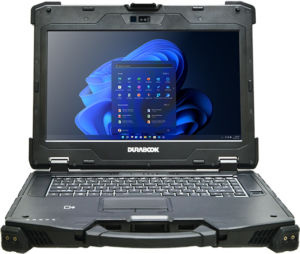
In the discourse surrounding rugged mobile computing, the conversation often centers on processor speeds, drop ratings, and screen brightness. While these technical specifications are undeniably vital, there is a critical component that often goes overlooked until it fails: the interface between the human and the machine. For field professionals operating in rain-slicked construction sites, high-dust manufacturing plants, or the vibration-heavy cabins of emergency vehicles, a standard laptop interface simply will not suffice. To maintain data integrity and mission-critical speed, specialized hardware like a panasonic toughbook keyboard has become a fundamental requirement for the modern mobile workforce. Unlike consumer-grade peripherals that are prone to sticking keys, liquid damage, or structural failure under stress, ruggedized input systems are engineered to provide tactile feedback and structural resilience in environments where standard hardware would instantly cease to function.
The Engineering of Resilience: Beyond the Standard Keycap
The difference between a ruggedized input system and a standard office peripheral is found in the architectural engineering beneath the surface. For a field worker, the keyboard is the primary tool for reporting, navigating schematics, and communicating with central dispatch. In these scenarios, “standard” is not an option.
- Sealed Membrane Technology: Ruggedized systems often utilize a sealed membrane or a “chiclet” design that prevents fine dust, sand, and liquids from reaching the internal circuitry. This ensures that even in a torrential downpour or a high-particulate industrial zone, the device remains operational.
- Backlighting for Mission-Critical Visibility: Field work doesn’t stop when the sun goes down. Professional-grade rugged keyboards feature adjustable red or white backlighting. Red backlighting is particularly valuable for first responders and military personnel, as it allows for data entry without compromising night vision or creating high-glare signatures.
- Tactile Response for Gloved Use: One of the most significant challenges in the field is operating hardware while wearing protective gear. Rugged systems are designed with specific key travel and pressure sensitivity to ensure that a user wearing heavy work gloves still receives distinct tactile feedback with every keystroke.
Mitigating the “Hidden Costs” of Hardware Failure
For IT managers and procurement officers, the decision to invest in ruggedized input systems is a matter of long-term fiscal responsibility. A consumer-grade laptop keyboard is one of the most common “points of failure” in a mobile fleet. When a single key fails or a spill occurs on a standard device, the entire unit is often rendered useless until a costly and time-consuming repair can be performed.
In contrast, ruggedized systems are built for a 5-to-7-year lifecycle. By utilizing abrasion-resistant key legends and high-cycle switches, these components can withstand millions of strokes in conditions that would cause a standard laptop to fail within months. When you factor in the cost of technician downtime, the logistical headache of shipping units back for repair, and the loss of productivity, the Total Cost of Ownership (TCO) for ruggedized hardware is significantly lower than that of its “off-the-shelf” counterparts.
Adaptability in the Field: Emissive vs. Rubberized
The modern professional has different needs depending on their specific niche. Ruggedized keyboards generally fall into two categories, each serving a distinct operational purpose:
- Emissive Keyboards: These offer a traditional laptop feel with the added benefit of being “spill-resistant” and backlit. They are ideal for vehicle-mounted applications where the user needs a high-speed typing experience for long reports.
- Rubberized/Backlit Keyboards: These are completely sealed and often feature a “mushier” feel that is optimized for extreme wet-weather use or decontamination scenarios (such as in healthcare or hazardous material handling).
Providing a workforce with the specific tool designed for their environment doesn’t just improve efficiency—it improves safety. A worker who isn’t struggling with their hardware is a worker who can stay focused on their surroundings.
Connectivity and Integration
In the age of 2026, the mobile command center is a reality. Ruggedized laptops are often docked into vehicles where the keyboard must remain accessible while the screen is mounted at eye level. This requires high-integrity connection points that won’t vibrate loose over rough terrain. Professional-grade input systems are designed to integrate seamlessly with the chassis, ensuring that the transition from a handheld tablet mode to a full laptop configuration is instantaneous and reliable.
Furthermore, these systems are often tested to survive extreme temperature fluctuations. A laptop left in a vehicle in the desert summer or the arctic winter undergoes significant thermal stress. Ruggedized keyboards are built with materials that won’t warp, crack, or become brittle under these conditions, maintaining their structural integrity year after year.
Conclusion: Prioritizing the Human-Machine Interface
Ultimately, the success of any digital field operation is dependent on the reliability of the tools in the worker’s hands. While it is easy to focus on the “flashy” specs of a new device, the true test of professional hardware is its ability to perform the most basic tasks—like data entry—without fail, every single time. Investing in high-performance, industry-specific components is a commitment to both operational uptime and employee satisfaction. For organizations seeking to optimize their mobile infrastructure with expert-vetted, field-ready hardware, Tough Rugged Laptops provides the specialized inventory and technical knowledge required to support the most demanding industries. By choosing gear that is built to endure, you ensure that your team remains focused on the mission, no matter how harsh the environment.
