

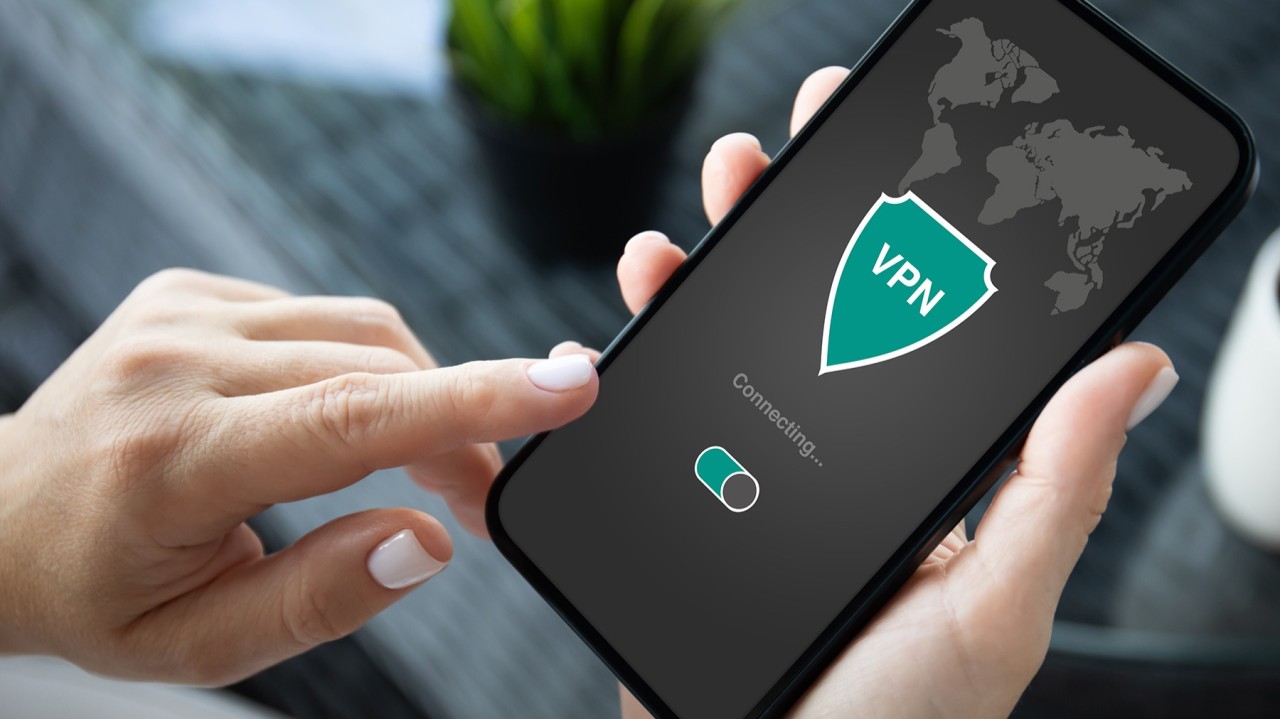
The internet often feels borderless, but in reality, it is heavily regulated in many regions. One of the most strictly controlled digital environments is the United Arab Emirates (UAE), especially when it comes to gambling. In recent years, discussions around VPN usage and access to online casinos in UAE have grown significantly. While some users attempt to bypass restrictions, the legal and personal risks involved are often underestimated.
Understanding the Legal Landscape in the UAE
The UAE has strict laws regarding gambling. Under federal law, all forms of gambling are generally prohibited, including online betting platforms and casinos. This applies to both physical gambling activities and digital platforms such as online casinos in UAE.
The legal system does not differentiate much between land-based and online gambling when it comes to enforcement. Even accessing gambling websites can be considered a violation, depending on intent and usage.
Why People Use VPNs to Access Online Casinos
A Virtual Private Network (VPN) allows users to mask their IP address and appear as though they are browsing from another country. This technology is often used for privacy, security, or accessing region-locked content.
However, some individuals use VPNs specifically to try to reach restricted gambling platforms, including online casinos in UAE. The motivation is usually anonymity, perceived safety, or access to international betting opportunities that are otherwise blocked locally.
While VPNs themselves are legal tools in many countries, their use becomes problematic when used to bypass national laws or access prohibited services.
What Could Go Wrong? Legal Risks
One of the biggest risks is legal consequences. Using a VPN to access gambling sites may be interpreted as an attempt to circumvent the law. Depending on the circumstances, this can lead to:
- Fines or penalties
- Internet access restrictions
- Potential legal investigation in serious cases
Authorities in the UAE actively monitor digital activity to ensure compliance with cybercrime laws. Even if enforcement varies, the risk remains significant for anyone attempting to access online casinos in UAE through unauthorized methods.
Financial Risks and Online Scams
Beyond legal concerns, many offshore gambling sites are not regulated. This creates serious financial risks, including:
- Fraudulent platforms that do not pay winnings
- Identity theft through unsecured websites
- Lack of dispute resolution mechanisms
Users trying to access online casinos in UAE via VPNs may unknowingly expose themselves to unlicensed operators that operate outside international consumer protection standards.
Cybersecurity Concerns
Using VPNs incorrectly or relying on low-quality services can also create cybersecurity vulnerabilities. Some free or untrusted VPNs may:
- Log user activity
- Sell personal data
- Expose devices to malware or tracking scripts
When combined with risky browsing behavior such as visiting gambling platforms, this can significantly increase the chance of data breaches or hacking attempts.
Social and Personal Consequences
Gambling addiction is a serious issue worldwide. Easy access through VPNs can make it harder to regulate behavior, especially in environments where gambling is restricted.
Users exploring online casinos in UAE through indirect means may face:
- Financial instability
- Hidden debt accumulation
- Strain on personal relationships
- Difficulty seeking help due to secrecy
The anonymity provided by VPNs can sometimes worsen compulsive behavior rather than control it.
Final Thoughts
While VPN technology offers legitimate benefits like privacy and secure browsing, its misuse to access restricted platforms such as online casinos in UAE carries significant risks. Legal penalties, financial loss, cybersecurity threats, and personal consequences all form a complex web of potential harm.
In a highly regulated digital environment like the UAE, understanding the boundaries of online activity is essential. What may seem like a simple workaround can quickly turn into a serious problem with long-term effects.
