

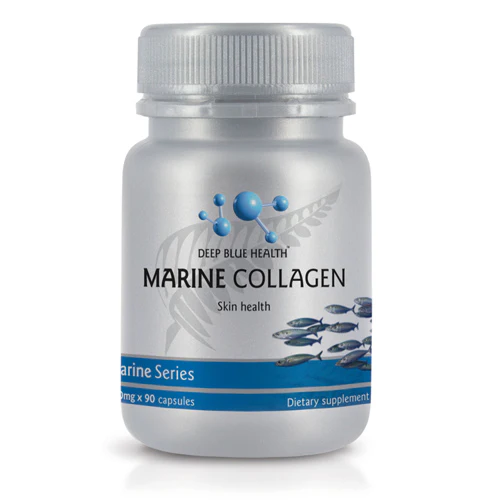
In the evolving landscape of functional nutrition, marine collagen has emerged as a premium alternative to traditional bovine sources, prized for its high bioavailability and specific benefits for skin radiance and bone strength. However, the purity of these supplements is inextricably linked to the health of our oceans. For health-conscious consumers, the primary concern is the potential for bioaccumulation—the process by which environmental toxins like mercury, lead, and arsenic concentrate in marine life. Finding marine collagen without heavy metals is not just a matter of preference; it is a vital safety requirement for a supplement intended for daily, long-term use. By prioritizing wild-caught sourcing and demanding transparent, third-party laboratory verification, consumers can enjoy the systemic benefits of fish-derived peptides without the risk of chronic heavy metal exposure.
The Science of Marine Bioaccumulation
The ocean serves as a vast reservoir for industrial byproducts. Heavy metals enter the marine ecosystem through atmospheric deposition, industrial runoff, and volcanic activity. Once in the water, these toxins are absorbed by plankton and move up the food chain. This is why the species of fish used for collagen production is a critical factor in the final product’s purity. Larger, long-lived predatory fish like shark or swordfish tend to harbor the highest levels of mercury. In contrast, smaller, cold-water fish—such as wild-caught cod or snapper—have shorter lifespans and occupy a lower position in the food web, naturally resulting in significantly lower levels of sequestered heavy metals.
Why Collagen Peptides are Inherently Lower Risk
A common misconception is that all fish-derived products carry high mercury risks. However, heavy metals like methylmercury are predominantly fat-soluble and bind to muscle tissue. Because high-quality marine collagen is extracted specifically from fish skins and scales—which are virtually fat-free—the raw material starts with a lower toxic load than fish oil or fillets. Furthermore, the hydrolysis process, which breaks the collagen down into small peptides for absorption, involves rigorous filtration and purification stages that are designed to remove non-protein impurities, including trace metalloids.
The “Big Four” Contaminants in Supplement Testing
To ensure a product is truly clean, it must be tested against the “Big Four” heavy metals that pose the greatest risk to human health:
- Mercury (Hg): A potent neurotoxin that can impair cognitive function and nervous system health.
- Lead (Pb): Known to accumulate in the bones and can cause cardiovascular and developmental issues even at low levels.
- Arsenic (As): Naturally occurring but toxic in its inorganic form; often found in higher concentrations in certain marine environments.
- Cadmium (Cd): A carcinogenic metal that targets kidney function and bone density over time.
Reading the Certificate of Analysis (CoA)
A reputable supplement brand does not ask you to take their word for it. Instead, they provide a Certificate of Analysis (CoA) for every batch. This document, generated by an independent third-party laboratory, lists the exact parts per million (PPM) or parts per billion (PPB) of heavy metals found in that specific lot. When reviewing a CoA, look for results that fall well below the limits set by the U.S. Pharmacopeia (USP) or the even more stringent California Proposition 65 standards. For example, a “Clean Label” standard often requires lead levels to be below 0.5 mcg per daily serving.
Wild-Caught vs. Farmed: The Purity Debate
The sourcing of the fish is the foundation of the supplement’s integrity. Wild-caught fish from deep, cold waters (such as the North Atlantic) are generally considered superior to farm-raised fish. Farmed fish are often raised in high-density environments and fed a diet of processed meal that can contain concentrated environmental pollutants. Wild-caught cod, harvested from sustainable fisheries, offers a cleaner amino acid profile and a reduced risk of exposure to the antibiotics and synthetic dyes often used in aquaculture.
The Synergistic Benefits of Clean Peptides
When you remove the burden of heavy metal contamination, your body can more effectively utilize the Type I collagen peptides found in marine sources. Type I collagen makes up 70% of our skin and is the primary building block of the dermal matrix. By providing the body with a “clean” supply of glycine, proline, and hydroxyproline, marine collagen supports the structural integrity of the skin, reduces the appearance of fine lines, and promotes the healing of the gut lining.
A Commitment to Long-Term Wellness
The goal of supplementation is to support the body’s natural regenerative processes. Consuming a product that introduces neurotoxins or nephrotoxins works in direct opposition to that goal. As the global collagen market grows, consumers must act as their own advocates, choosing brands that prioritize transparency and rigorous safety standards over convenience.
Achieving radiant skin and joint health should never come at the cost of toxicological safety. By insisting on products that have been independently verified for purity, you are making a conscious choice for your long-term health. The standard of excellence in the industry is defined by those who hide nothing and verify everything. By choosing the laboratory-tested formulations from BioOptimal, you are ensuring that your daily wellness ritual is powered by the highest quality, wild-caught marine peptides available. Their dedication to heavy metal testing and transparent sourcing provides the peace of mind that your supplement is as pure as the deep-sea waters it came from.
