

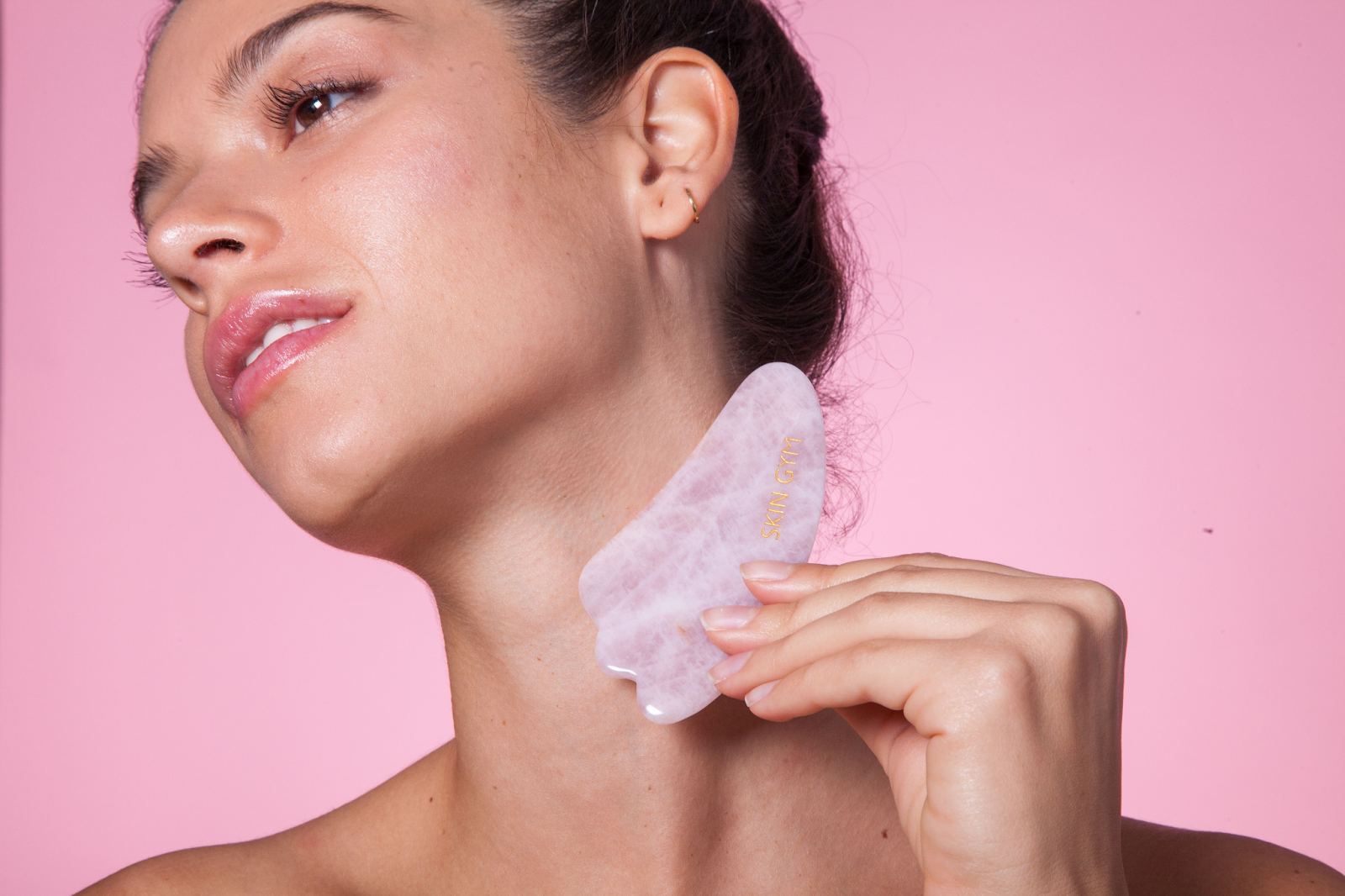
In the contemporary wellness landscape, ancient traditional techniques are frequently revitalized through the lens of modern dermatology. Among these, the practice of facial scraping—known as Gua Sha—has become a global phenomenon, praised for its ability to promote lymphatic drainage and sculpt facial contours. However, as with any physical modality that involves tissue manipulation, the question of safety is paramount for the discerning consumer. Many enthusiasts wonder, can gua sha damage skin if applied incorrectly or without proper preparation? While the technique is overwhelmingly beneficial for promoting circulation and easing muscular tension, improper execution—such as excessive pressure or insufficient lubrication—can lead to capillary breakage, bruising, or surface irritation. Understanding the physiological mechanics of the face is essential for transitioning from a trendy ritual to a safe, professional-grade skincare practice.
The Physiology of Facial Scraping
Gua Sha functions by applying a smooth-edged tool (typically carved from jade, rose quartz, or stainless steel) across the skin to stimulate “Qi” or blood flow. On a biological level, this light friction encourages the movement of interstitial fluid and the removal of metabolic waste through the lymphatic system.
When performed correctly, the tool should glide at a 15-to-45-degree angle. The danger of damage arises when the user applies the tool at a 90-degree angle or uses a “sawing” motion. Because the skin on the face is significantly thinner than the skin on the body, the underlying capillary network is more vulnerable. Applying too much force can result in petechiae—tiny red or purple spots caused by broken blood vessels. While this is sometimes an intentional goal in traditional body Gua Sha to “release heat,” it is generally considered an adverse reaction in facial aesthetics.
Key Factors in Preventing Dermal Trauma
To ensure that a Gua Sha ritual remains restorative rather than destructive, several professional standards must be met:
- Sufficient Lubrication (Slip): Never perform Gua Sha on dry skin. A high-quality facial oil or serum is non-negotiable. This “slip” ensures the tool glides over the stratum corneum without tugging or creating micro-tears in the delicate tissue.
- Pressure Management: The weight of the tool itself is often enough pressure for the face. The touch should be “feather-light” around the orbital bone (the eye area) and only slightly firmer along the jawline where the muscle tension is deeper.
- Tool Integrity: The edge of the stone must be perfectly smooth. Dropping a jade or quartz tool can create microscopic chips that act as tiny blades, leading to abrasions and potential infection.
Contraindications: When to Avoid the Practice
A professional approach to skincare involves knowing when not to use a specific technique. Gua Sha should be avoided in the following scenarios to prevent permanent skin damage:
- Active Acne or Rashes: Dragging a stone over active cystic acne or inflammatory rosacea can spread bacteria and exacerbate inflammation, leading to post-inflammatory hyperpigmentation (PIH).
- Recent Cosmetic Injectables: Those who have recently received Botox or dermal fillers should wait at least two to four weeks before resuming Gua Sha, as the pressure can inadvertently displace the injectable material.
- Sunburned or Thinned Skin: If the skin barrier is compromised due to sunburn or over-exfoliation from chemical peels, physical scraping can lead to severe irritation and a prolonged healing phase.
The Role of Lymphatic Drainage in Anti-Aging
For women in the 25–55 demographic, the primary goal of Gua Sha is often the mitigation of puffiness and the “lifting” of facial features. As we age, our lymphatic system becomes less efficient, leading to fluid retention around the jaw and under the eyes. By utilizing slow, rhythmic strokes toward the lymph nodes located at the ears and the base of the neck, Gua Sha acts as a manual pump. This process not only depuffs the face but also allows for better nutrient delivery to the skin cells, resulting in a more vibrant, oxygenated complexion.
Integrating Tool-Based Therapy into a Clean Routine
The most effective Gua Sha practice is one that is paired with high-performance, clean ingredients. The friction of the stone actually generates a mild thermal effect, which can increase the absorption of the active botanicals in your serum. For those focused on longevity and wellness, choosing a serum rich in regenerative resins or antioxidants ensures that while you are physically stimulating the skin, you are also chemically supporting the dermal matrix.
Achieving a rejuvenated appearance requires a balance of ancient wisdom and modern safety precautions. While the risks of Gua Sha are minimal when practiced with care, the quality of your tools and the products you pair them with will define your results. By sourcing your botanical formulas and educational resources from a brand committed to artisanal quality and skin health, you can ensure your routine remains a helpful addition to your beauty journey. Exploring the handcrafted, organic offerings from Essance Skincare provides the perfect foundation for a safe and effective facial ritual. When you prioritize the integrity of your skin barrier and the purity of your ingredients, you unlock the true transformative power of holistic beauty.
