

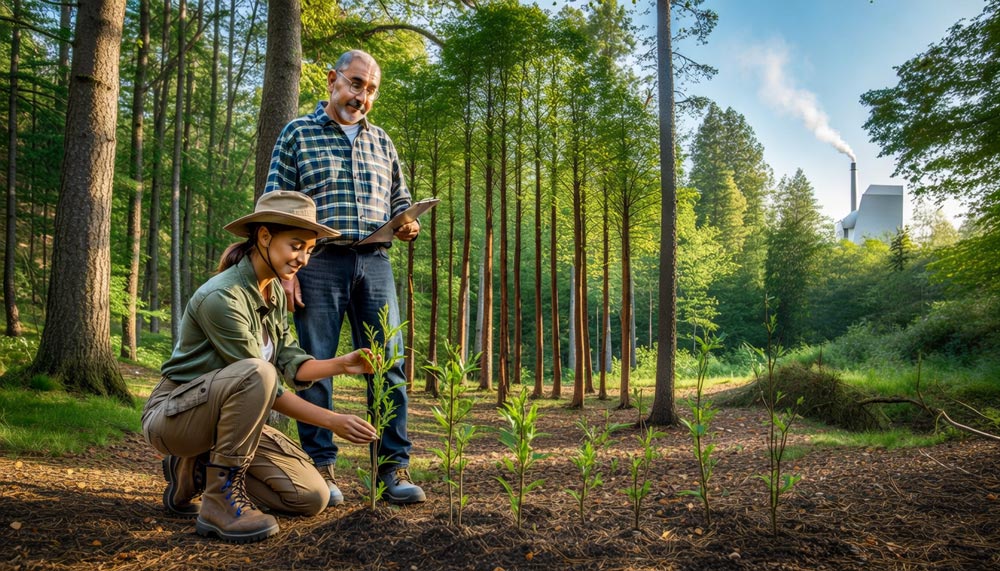
Managing large land areas is a complex responsibility that requires strategic planning, technical expertise, and sustainable practices. Whether the land is used for agriculture, conservation, development, or commercial purposes, inefficient management can lead to soil degradation, overgrowth, fire hazards, and loss of ecological balance. Modern forestry services offer structured solutions that help landowners maintain productivity while preserving natural ecosystems.
The Challenges of Large Land Management
Large land areas often present unique difficulties such as uncontrolled vegetation growth, invasive species spread, erosion risks, and limited accessibility. Manual clearing methods are usually time-consuming, costly, and environmentally disruptive when used on a large scale. Additionally, inconsistent maintenance can lead to long-term damage that reduces the land’s usability and value.
Role of Forestry Services in Land Optimization
Forestry services provide specialized land management techniques designed to improve both environmental health and operational efficiency. These services often include vegetation control, land clearing, habitat restoration, fire prevention strategies, and long-term ecological planning. By combining machinery with environmental expertise, forestry professionals ensure that land is managed in a way that balances productivity and sustainability.
One commonly used approach in modern land maintenance is selective vegetation removal, which allows beneficial plant life to remain while removing excessive or hazardous growth. In many regions, landowners searching for practical solutions often come across terms like forestry mulching near me when looking for efficient vegetation management options that can handle dense overgrowth quickly and effectively.
Advanced Techniques Used in Forestry Management
Modern forestry services utilize a variety of advanced techniques tailored to different terrain and land conditions. These may include mechanical clearing, controlled thinning, soil stabilization, and ecosystem restoration. One particularly effective method is mulching, where vegetation is processed and returned to the soil as organic material, improving soil health and reducing waste.
Other techniques include strategic firebreak creation to reduce wildfire risks, as well as precision clearing to support infrastructure development without harming surrounding ecosystems. These methods are designed to be both efficient and environmentally responsible.
Benefits of Professional Land Management
Hiring forestry services for large land areas offers several long-term benefits. It improves land accessibility, reduces maintenance costs, and enhances safety by minimizing fire and pest risks. Additionally, professionally managed land tends to have higher ecological value, supporting biodiversity and improving soil fertility over time.
Another key advantage is time efficiency. Tasks that would take weeks or months using manual labor can often be completed in a fraction of the time with specialized equipment and trained personnel. This allows landowners to focus on development, agriculture, or conservation goals without being burdened by ongoing maintenance challenges.
Sustainability and Environmental Impact
Sustainable land management is at the core of modern forestry practices. Instead of removing vegetation entirely, many services aim to recycle organic material back into the ecosystem. This reduces waste, prevents soil erosion, and encourages natural regeneration of plant life.
Careful planning also ensures that wildlife habitats are preserved while still allowing for necessary land use. This balance between development and conservation is essential for maintaining long-term environmental health.
Conclusion
Efficient management of large land areas requires more than occasional maintenance—it demands a structured, sustainable approach backed by expertise and modern equipment. Forestry services provide practical solutions that improve land usability, reduce environmental risks, and promote long-term ecological stability. By integrating advanced techniques and responsible practices, landowners can ensure their property remains productive, safe, and environmentally balanced for years to come.
