

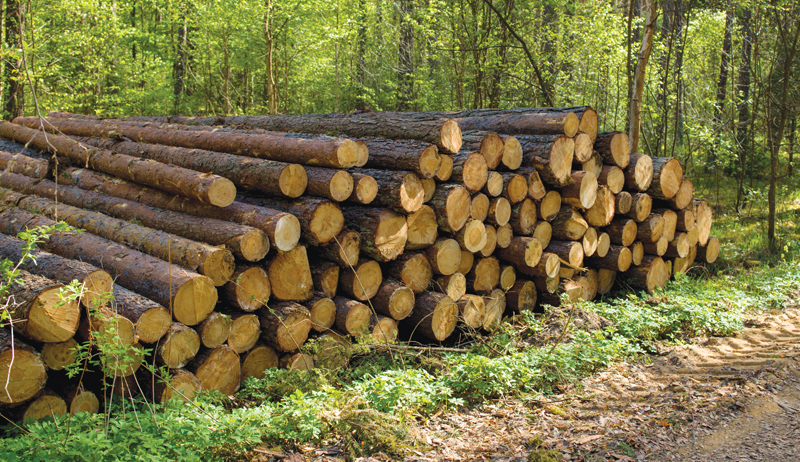
Managing a woodlot can be rewarding, but it also comes with responsibilities that can quickly become overwhelming if not handled properly. From planning harvest cycles to maintaining tree health and ensuring long-term sustainability, effective woodland care requires knowledge, consistency, and the right approach. With a well-structured system and, when needed, support from a forestry service, landowners can manage their woodlots without unnecessary stress or costly mistakes.
Understanding What a Woodlot Really Needs
A woodlot is more than just a collection of trees—it is a living ecosystem. Proper management starts with understanding its components, including soil health, tree species, wildlife activity, and natural regeneration patterns.
Neglecting these elements can lead to poor growth, pest infestations, or even long-term land degradation. A balanced approach ensures that your woodlot remains productive and healthy for years to come.
Planning Ahead to Avoid Future Problems
One of the biggest causes of stress in woodlot management is lack of planning. Without a clear long-term strategy, tasks can pile up quickly and become difficult to manage.
A good management plan should include:
- Harvest scheduling
- Replanting cycles
- Pest and disease monitoring
- Soil improvement practices
- Access road maintenance
By organizing these tasks in advance, you reduce emergency situations and make decision-making much easier.
The Role of Professional Support in Woodlot Care
While some landowners prefer a hands-on approach, others benefit greatly from professional guidance. A forestry service can help assess the condition of your woodlot, identify risks, and design a sustainable management plan tailored to your land.
These experts can assist with:
- Timber valuation and harvesting strategies
- Tree health assessments
- Sustainable logging practices
- Reforestation planning
- Environmental compliance
Using professional support doesn’t take control away—it ensures your decisions are informed and efficient.
Sustainable Practices That Reduce Long-Term Stress
Sustainability is key to avoiding long-term headaches. Overharvesting or ignoring regeneration can lead to declining forest quality and reduced income potential.
Simple sustainable practices include:
- Selective cutting instead of clear-cutting
- Planting native or well-adapted tree species
- Protecting young saplings from grazing damage
- Maintaining biodiversity within the woodlot
These practices help ensure that your woodlot remains productive without requiring constant corrective action.
Managing Time and Labor Efficiently
Many woodlot owners struggle because they underestimate the time and effort required. Setting a realistic maintenance schedule helps avoid burnout.
Instead of trying to do everything at once, break tasks into seasonal priorities:
- Spring: planting and inspection
- Summer: growth monitoring and maintenance
- Autumn: harvesting and soil preparation
- Winter: planning and equipment maintenance
This structured approach keeps workloads manageable year-round.
Avoiding Common Mistakes in Woodlot Management
Some frequent errors can create unnecessary complications:
- Ignoring early signs of disease or pest damage
- Delaying thinning operations
- Poor access planning for equipment
- Overharvesting without regeneration planning
Avoiding these mistakes early saves both time and money in the long run.
Conclusion: A Smarter Way to Manage Your Woodlot
Managing a woodlot doesn’t have to feel overwhelming. With proper planning, sustainable practices, and the right level of support from a forestry service, landowners can maintain healthy, productive forests without constant stress.
The key is consistency and informed decision-making. When your woodlot is managed with care and strategy, it becomes not just a responsibility—but a long-term asset that grows in value over time.
