

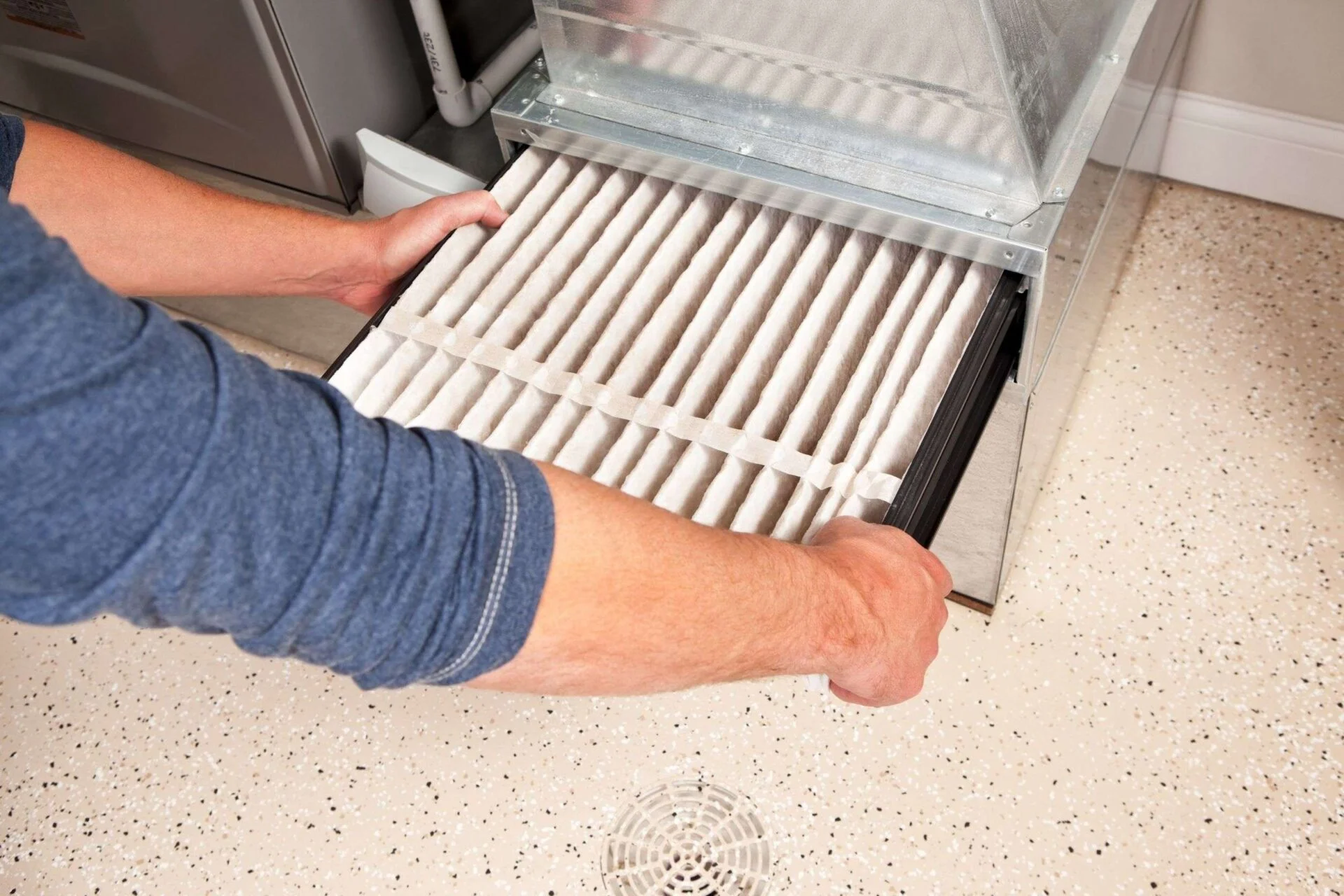
A furnace filter may seem like a small and inexpensive part of a home heating system, but it plays an important role in maintaining proper airflow. When a filter becomes packed with dust, dirt, pet hair, and other particles, the furnace has to work harder to circulate heated air. Over time, this added strain can contribute to overheating, reduced efficiency, frequent shutdowns, and component wear.
For Orange County homeowners, understanding the connection between filter maintenance and furnace performance can help prevent avoidable problems and keep heating equipment operating reliably.
Why Furnace Filters Matter
The primary job of a furnace filter is to capture airborne particles before they enter deeper into the HVAC system. A properly maintained filter allows air to move through the system while helping protect internal components from excessive dust buildup.
When the filter becomes clogged, airflow can be restricted. The furnace may then need to operate longer or work harder to deliver the desired amount of warm air. Government energy guidance notes that dirty filters can increase furnace run time, motor wear, and energy consumption.
How a Dirty Filter Restricts Airflow
A furnace needs adequate return airflow to operate correctly. As dust accumulates on the filter material, less air can pass through it. This restriction can affect the amount of warm air reaching different rooms.
Homeowners may notice weak airflow from vents, rooms that remain colder than others, longer heating cycles, or unusual system behavior. These symptoms do not always mean the furnace itself has failed, but a clogged filter is one of the first things worth checking.
Can a Dirty Filter Cause Furnace Overheating?
Yes. Restricted airflow can cause heat to build up inside the furnace. Modern furnaces have safety controls designed to shut the system down when temperatures become excessive. Carrier and Trane both identify clogged filters as a possible cause of overheating and safety shutdowns.
If this happens repeatedly, the furnace may begin cycling on and off more frequently. Persistent problems can require professional diagnosis to determine whether the filter is the only issue or whether another component has been affected.
The Connection Between Dirty Filters and Furnace Repairs
A neglected filter does not automatically mean a major repair will occur, but continued airflow restriction can place additional stress on the system. The blower motor, for example, may have to work harder to move air through the restricted filter.
Long-term airflow problems can also contribute to increased operating time and component wear. The U.S. Department of Energy’s Building America guidance specifically notes that clogged filters can increase motor wear and energy consumption.
When homeowners eventually need furnace repair Orange County, a technician may therefore inspect the filter and overall airflow as part of diagnosing the problem.
Warning Signs of a Clogged Furnace Filter
Several symptoms can indicate that it is time to inspect the filter:
- Weak airflow from heating vents
- Uneven temperatures between rooms
- Furnace turning on and off frequently
- Longer-than-usual heating cycles
- Furnace shutting down unexpectedly
- Increased energy consumption
- Excessive dust around the home
- Whistling or airflow-related noises
These symptoms can have other causes, so homeowners should avoid assuming that the filter is always responsible. If replacing the filter does not solve the problem, professional inspection may be appropriate.
How Often Should You Replace a Furnace Filter?
There is no single replacement schedule that applies to every household. Filter type, furnace usage, household occupancy, pets, dust levels, and other conditions can affect how quickly a filter becomes dirty.
Many manufacturers recommend checking filters regularly and replacing common filters approximately every 30 to 90 days, while some larger media filters can last considerably longer. The manufacturer’s instructions should take priority.
Homes with pets, several occupants, significant dust, or ongoing construction may require more frequent filter changes.
Choosing the Right Replacement Filter
Replacing a filter is not simply a matter of choosing the highest filtration rating available. A filter must be the correct physical size and compatible with the HVAC system’s airflow requirements.
Higher-efficiency filters can create greater resistance to airflow in some systems. The EPA recommends using the highest-rated filter the system can accommodate, while noting that homeowners may need professional advice to determine compatibility.
Always check the furnace manufacturer’s recommendations before selecting a replacement.
Proper Filter Installation Matters
Even a new filter will not provide the intended protection if it is installed incorrectly. Check the airflow arrow printed on the filter and install it in the direction specified by the furnace or filter housing.
The filter should also fit properly without being bent, crushed, or leaving large gaps around its edges. Correct sizing and installation help maintain appropriate airflow and filtration.
When to Call a Furnace Professional
Changing a dirty filter is generally a straightforward maintenance task, but not every furnace problem should be handled as a DIY repair. If the furnace continues shutting down, produces unusual noises, fails to heat properly, or behaves abnormally after a filter replacement, the underlying cause may require professional diagnosis.
Problems involving electrical components, ignition systems, gas connections, heat exchangers, or internal furnace controls should be evaluated by a qualified HVAC professional rather than repaired without the appropriate expertise.
Preventing Unnecessary Furnace Repairs
Regular filter checks are one of the simplest ways to support furnace performance. Marking the filter installation date on the frame or setting a calendar reminder can make routine maintenance easier.
Homeowners should also keep return-air vents and supply registers unobstructed and pay attention to changes in airflow or furnace operation. If a clean filter does not restore normal performance, having the system inspected can help identify the actual cause before a minor issue develops into a more expensive repair.
Final Thoughts
A dirty furnace filter can do more than collect dust. By restricting airflow, it can make a furnace work harder, increase operating time, contribute to overheating, and trigger safety shutdowns. Regular inspection and timely replacement can therefore be an important part of protecting furnace performance.
For Orange County homeowners, simple filter maintenance combined with professional service when problems persist can help maintain reliable heating and potentially reduce avoidable repair issues.
