

Choosing new interior doors is an important part of improving the appearance, comfort, and functionality of a home. Whether you are renovating a Brooklyn apartment, updating a Manhattan condo, or replacing outdated doors in a Queens townhouse, understanding the potential costs can help you plan your project more effectively. Door prices vary depending on the material, design, size, hardware, and installation requirements.
For homeowners exploring Interior doors NYC, the overall budget should include more than the price of the door itself. Labor, measurements, frame adjustments, finishing, and hardware can all influence the final expense. Knowing what affects these costs makes it easier to select doors that match your home and budget.
Average Cost of Interior Doors in NYC
The cost of interior doors in New York City depends largely on the type and quality of the product. Basic hollow-core doors are generally among the most affordable options, while solid-core, premium wood, and custom-designed doors usually cost more.
As a general budgeting estimate, standard interior doors may cost approximately $50 to $300 for basic hollow-core models, $150 to $600 for solid-core options, and $300 to $1,000 or more for premium or custom designs. These are estimated product-price ranges rather than fixed NYC market quotes.
Installation can add approximately $150 to $400 or more per door, depending on the complexity of the work. Projects involving unusual dimensions, new frames, wall adjustments, or custom hardware may require additional labor and materials.
Factors That Influence Interior Door Prices in NYC
Several factors determine how much homeowners should expect to spend on interior doors. Understanding these details can help prevent unexpected expenses during a renovation.
1. Door Material
Material is one of the biggest factors affecting the overall price. Hollow-core doors are usually less expensive because they have lightweight internal construction. They are suitable for closets, storage spaces, and areas where advanced sound insulation is not essential.
Solid-core doors generally cost more because they provide a heavier construction, improved sound reduction, and a more substantial feel. Solid wood doors can be even more expensive, particularly when they feature premium wood species, decorative details, or specialized finishes.
2. Door Design and Style
The design of an interior door can significantly affect its price. Simple flush doors are generally affordable and work well in contemporary homes. Panel doors offer a more traditional appearance, while modern European-inspired designs can create a clean and sophisticated interior.
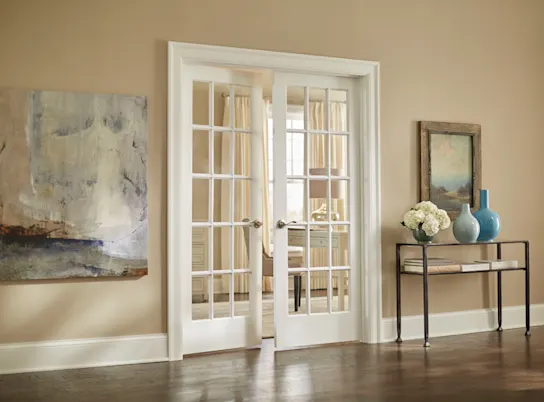
Glass-panel doors, concealed-frame doors, and minimalist designs may require specialized manufacturing or hardware. These additional features can increase the purchase and installation costs.
3. Door Size and Dimensions
Standard interior doors are generally more affordable because they are manufactured in common sizes. However, many NYC apartments and older properties have unusual openings that require customized measurements.
Oversized doors, extra-wide openings, and nonstandard heights can increase manufacturing costs. Before purchasing a door, homeowners should measure the opening carefully and consider whether the existing frame can accommodate the replacement.
4. Hardware and Accessories
Door handles, hinges, locks, and other accessories should also be included in the budget. Basic hardware is relatively inexpensive, while premium finishes, concealed hinges, magnetic latches, and designer handles can add to the overall cost.
Choosing durable hardware is particularly important for frequently used doors. Quality accessories can improve daily functionality and help maintain the door’s appearance over time.
Interior Door Installation Costs in New York City
Installation is another important expense to consider when planning a door replacement project. NYC labor costs can be higher than those in many other locations because of transportation, building access, labor availability, and the complexity of working in older properties.
A straightforward replacement that uses an existing frame may be relatively affordable. However, installing a completely new door system can require additional work, including removing the old door, adjusting the frame, installing hinges, aligning the hardware, and making final adjustments.
Some buildings may also have restrictions on renovation schedules, contractor access, and material deliveries. These practical considerations can affect project timelines and labor expenses.
How Different Interior Door Types Compare in Price
Choosing the right door type involves balancing appearance, performance, and affordability. Here are some popular options homeowners can consider.
Hollow-Core Interior Doors
Hollow-core doors are among the most budget-friendly choices. Their lightweight construction makes them relatively easy to install and operate. They are commonly used in bedrooms, closets, and secondary interior spaces.
Although they help keep renovation costs low, they generally provide less sound insulation and durability than heavier alternatives.
Solid-Core Interior Doors
Solid-core doors offer a stronger and heavier construction than hollow-core models. They are especially useful for bedrooms, home offices, and other spaces where privacy and noise reduction are important.
Their additional weight and construction quality make them a popular middle-ground option for homeowners seeking better performance without necessarily investing in premium solid wood.
Solid Wood Interior Doors
Solid wood doors offer natural textures, distinctive grain patterns, and a timeless appearance. They can complement traditional apartments, renovated brownstones, and upscale residential interiors.
However, they generally require a larger budget. Their weight, finishing requirements, and potential sensitivity to environmental changes should also be considered before purchasing.
Modern European Interior Doors
Modern European-style doors are popular in contemporary residential renovations because of their clean lines, minimalist appearance, and carefully designed hardware.
Depending on the product, they may include concealed hinges, magnetic latches, flush surfaces, and modern frame systems. These features can increase the initial cost but create a polished architectural appearance.
Why Interior Door Costs Can Be Higher in Older NYC Homes
New York City has a wide variety of residential buildings, including historic brownstones, prewar apartments, converted lofts, and modern condominiums. Each property type can present different installation challenges.
Older buildings may have uneven walls, outdated frames, unusual door openings, or damaged trim. A standard replacement door may not fit properly without adjustments.
In some cases, homeowners may need custom-sized doors or additional carpentry work. These requirements can increase the total project cost compared with replacing a door in a newer property with standard dimensions.
Before ordering, it is helpful to have the existing opening and frame inspected by an experienced professional.
Additional Expenses to Include in Your Door Budget
When calculating the total cost of an interior door project, homeowners should consider several expenses beyond the door and installation labor.
Old Door Removal: Removing and disposing of existing doors may involve additional labor or disposal charges.
Frame Replacement: Damaged, outdated, or incorrectly sized frames may need to be repaired or replaced.
Painting and Finishing: Unfinished wood doors may require sanding, priming, staining, or painting.
Hardware Upgrades: New handles, hinges, privacy locks, and other accessories can increase the final budget.
Wall and Trim Repairs: Installation may expose damaged areas around the frame that need patching, repainting, or new trim.
Planning for these additional expenses can help homeowners avoid budget surprises once the project begins.
How to Save Money When Buying Interior Doors in NYC
Replacing several doors at once can sometimes reduce the overall project cost. Contractors may be able to complete multiple installations during one visit, reducing repeated setup and labor expenses.
Another useful approach is to prioritize door performance according to the room. For example, solid-core doors may be worthwhile for bedrooms and home offices, while affordable hollow-core doors can work well for closets and less frequently used spaces.
Homeowners should also compare product warranties, construction quality, hardware compatibility, and installation requirements rather than choosing a door based on price alone.
Accurate measurements are equally important. Ordering an incorrectly sized door can lead to additional expenses for modifications or replacement.
How to Choose the Right Interior Doors for Your NYC Home
The best interior door should complement the home’s architecture while meeting practical requirements. Homeowners should consider privacy, sound control, durability, maintenance, and visual appeal before making a final decision.
For small NYC apartments, simple designs and light finishes can help maintain a spacious appearance. Solid-core doors may be a better choice for rooms where privacy matters, while glass-panel designs can help distribute natural light between interior spaces.
In renovated brownstones and larger properties, decorative panel doors or premium wood designs may create a more cohesive interior. The key is to select doors that suit the property’s layout and overall design rather than focusing exclusively on appearance.
Is It Worth Investing in Higher-Quality Interior Doors?
Higher-quality interior doors can provide long-term benefits, especially in homes where doors receive frequent daily use. Better construction can improve durability, reduce unwanted noise, and create a more substantial feel.
Although premium options generally require a larger initial investment, they may offer better long-term value when properly installed and maintained.
Homeowners should evaluate the expected lifespan, maintenance requirements, and performance of each option. Spending more on every door is not always necessary. Instead, investing in better-quality doors in high-use or privacy-sensitive areas can be a practical strategy.
Final Thoughts: Plan Your Interior Door Project with Confidence
The cost of interior doors in NYC depends on several important considerations, including material, design, dimensions, hardware, and installation requirements. While affordable options can work well for basic renovations, solid-core, solid wood, and modern European-style doors may provide additional benefits for homeowners seeking improved privacy, durability, and appearance.
Before starting a project, compare different door styles, request detailed installation estimates, and make sure all measurements are accurate. A carefully planned budget will help you choose doors that complement your home without creating unnecessary expenses.
Whether you are upgrading one bedroom door or renovating an entire apartment, selecting the right Interior doors NYC can make a noticeable difference in your home’s comfort, functionality, and overall interior design.
