

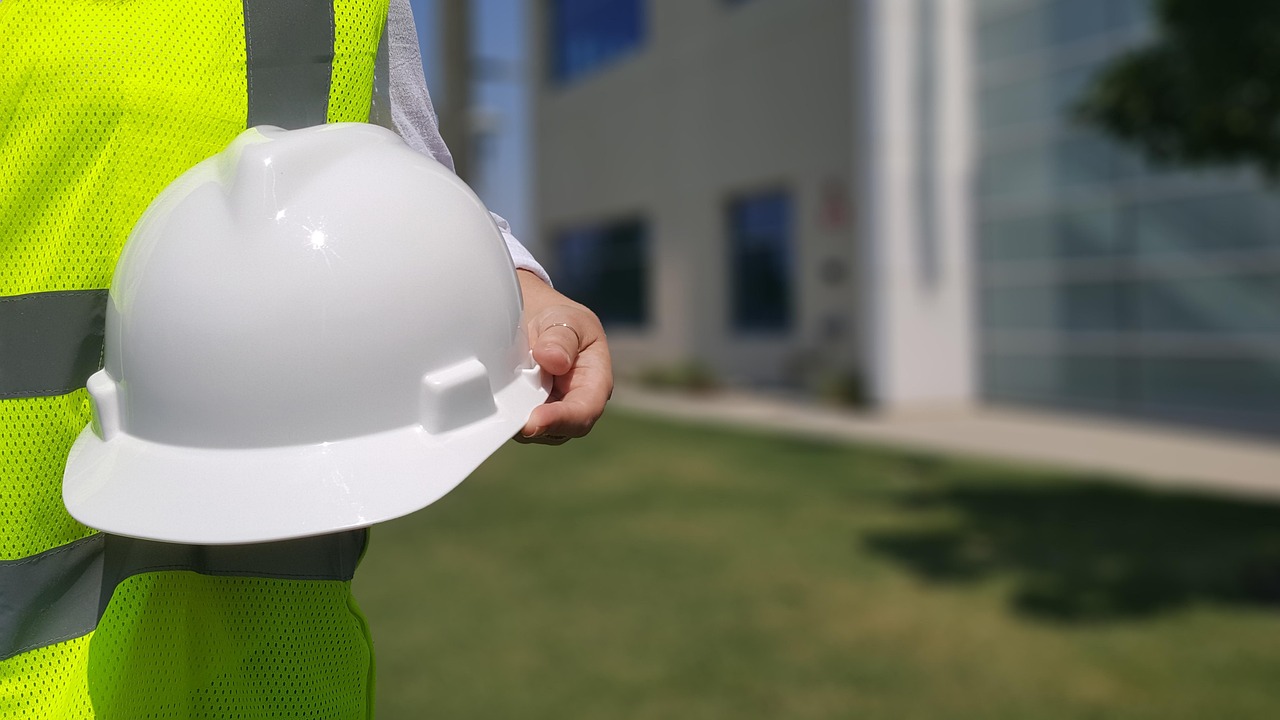
The commercial holiday installation industry is inherently vertical. Whether a crew is rigging a massive atrium display or mounting exterior lighting on a high-rise storefront, the majority of the high-value work happens well above the ground. In these environments, the risk of falling objects is just as prevalent as the risk of a worker falling themselves. To address these complex safety needs, many facility managers and lead installers are moving away from traditional Type I hard hats in favor of climbing-style hard hats. These modern safety helmets provide a more secure fit and integrated chin straps that ensure the protection stays on the head during a stumble or high-angle work. In an industry where looking up is a constant requirement, having head protection that doesn’t slide off or obscure vision is a vital component of a productive and safe job site.
The primary limitation of a standard hard hat in the decorating niche is its lack of a secure retention system. When an installer is leaning back to check the alignment of a wreath or working in a boom lift, a traditional hat can easily fall off, not only leaving the worker unprotected but also creating a significant “dropped object” hazard for those on the ground. Climbing-style helmets utilize a low-profile design and a multi-point suspension system that mimics the security of athletic or mountaineering gear. This ensures that even if a worker is moving through tight scaffolding or bracing against high winds on a rooftop, their head protection remains centered and effective.
Beyond retention, the shift toward these specialized helmets is driven by the need for better lateral protection. Traditional hard hats are primarily designed to protect the top of the head from falling objects—a “top-down” impact. However, in the chaotic environment of a large-scale event venue or a warehouse undergoing a seasonal inventory shift, side impacts are a major concern. Workers are often moving through confined spaces where swinging equipment or structural beams pose a threat to the sides and back of the head. Modern safety helmets often provide Type II protection, which includes padding and shell designs intended to reduce the force of impacts from all angles, significantly lowering the risk of traumatic brain injuries.
For facility managers, the integration of accessories is another major advantage of the climbing-style design. Professional holiday installations often require the use of headlamps for overnight work, ear protection for noisy warehouse environments, and visors for outdoor glare or debris protection. Modern helmets are engineered with integrated slots that allow these accessories to be snapped directly into the shell. This eliminates the need for cumbersome straps that can slip or interfere with the helmet’s fit. A streamlined, integrated gear setup allows the worker to focus entirely on the precision of the installation rather than adjusting failing equipment.
Professionalism and compliance also go hand-in-hand when selecting head protection. As corporate clients become more safety-conscious, they are increasingly looking for contractors who utilize the latest in Personal Protective Equipment (PPE). Arriving on a job site with a crew outfitted in high-quality, modern helmets sends a powerful message about the company’s commitment to industrial best practices. It distinguishes a professional decorating firm from a general labor crew and provides the client with peace of mind that the project is being handled with the highest level of risk mitigation.
Furthermore, the comfort of modern climbing-style helmets leads to higher compliance rates. Traditional hard hats are often top-heavy and poorly ventilated, leading workers to remove them when the supervisor isn’t looking. Modern versions are typically lighter, better balanced, and feature adjustable venting systems that can be opened or closed based on the weather. When gear is comfortable, workers are more likely to wear it consistently throughout their shift, ensuring they are always protected against unexpected hazards.
Ultimately, the goal of any seasonal facility management strategy is to complete the project on time, on budget, and without injury. The “peak season” is too short to account for the downtime caused by preventable workplace accidents. By upgrading the baseline of head protection, managers are taking a proactive step in protecting their most important assets. The evolution of safety gear mirrors the evolution of the industry itself—moving toward greater sophistication, better engineering, and a primary focus on human health.
To upgrade your team’s safety profile with the latest in head protection technology, consider the curated selection available at National Safety Gear. They specialize in providing high-performance equipment that meets the specific demands of installers, warehouse professionals, and facility managers. By investing in gear that is built for the rigors of vertical work, you are ensuring your crew can reach new heights safely and efficiently. Visit their website today to find the right solutions for your upcoming seasonal projects.
