

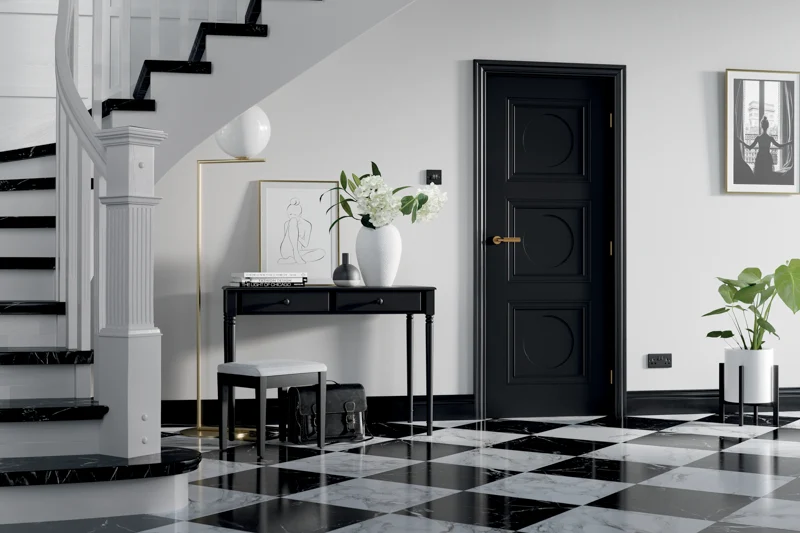
Interior doors are often treated as practical necessities, but in a thoughtfully designed home, they can become an important part of the overall architecture. The right door can influence how a room feels, how light moves through the house, and how different design elements work together. Today, homeowners are increasingly choosing doors for their craftsmanship, proportions, finishes, and visual impact rather than simply their basic function.
Luxury interior doors are particularly effective at creating this elevated appearance. They combine carefully selected materials, refined details, quality hardware, and distinctive designs to give ordinary transitions between rooms a more sophisticated character.
What Defines a Luxury Interior Door?
Luxury does not necessarily mean an elaborate or heavily decorated design. In many contemporary homes, luxury comes from simplicity, precision, and high-quality construction.
A premium interior door may feature a solid or engineered construction, natural wood veneer, carefully applied lacquer, decorative glass, concealed hinges, custom hardware, or oversized proportions. The finish should feel smooth and substantial, while the door itself should complement the architecture rather than appear disconnected from it.
The difference can often be noticed in small details. Consistent gaps, precise edges, substantial handles, quality hinges, and a carefully selected finish can make a relatively simple door look considerably more expensive.
Why Doors Matter in High-End Interior Design
Doors occupy a surprisingly large amount of visual space. A hallway containing several doors can become one of the strongest design features in a home because the repeated shapes and finishes establish a visual rhythm.
Rather than selecting every door independently, homeowners can coordinate them with flooring, wall colors, cabinetry, furniture, and architectural trim. Contemporary design increasingly treats doors as part of the larger interior scheme rather than isolated products.
This approach creates a more intentional appearance and helps the entire home feel cohesive.
Premium Materials for a Sophisticated Look
Material selection is one of the most important decisions when choosing an upscale interior door.
Solid Wood
Solid wood remains a classic choice for luxurious interiors. Its natural grain, weight, and texture create warmth and character that are difficult to reproduce with inexpensive materials.
Depending on the home’s design, oak, walnut, teak, or other carefully selected woods can create anything from a warm traditional appearance to a sleek contemporary aesthetic.
However, solid wood is not automatically the best option for every situation. Engineered construction and quality veneers can provide excellent visual results while offering greater dimensional stability in some environments.
Wood Veneer
Wood veneer is another popular option for high-end interiors. A genuine wood surface can provide the appearance and texture of premium timber while being used over a carefully engineered door construction.
Veneer is particularly useful when homeowners want several doors to have a consistent grain, tone, and finish throughout the property.
Glass
Glass can make a luxury interior feel brighter and more spacious. Clear, frosted, textured, and reeded glass can all create different effects.
Frosted and textured glass can introduce daylight while providing greater visual privacy, making glass particularly useful between living spaces, offices, dining areas, and hallways.
Lacquer and Modern Finishes
Matte lacquer, satin finishes, and carefully selected painted surfaces can give a door a sophisticated contemporary appearance. High-quality finishes can also introduce color without overwhelming the room.
For minimalist interiors, a smooth matte door can look especially elegant because it emphasizes clean architectural lines.
Full-Height Doors Create Architectural Drama
One of the most effective ways to make an interior feel more luxurious is to increase the visual height of the doors.
Full-height doors extend closer to the ceiling, creating longer vertical lines and making rooms appear taller and more architecturally deliberate. They work particularly well in contemporary homes with high ceilings and minimalist interiors.
A tall, flush door in natural oak, walnut, or a sophisticated painted finish can become a statement without requiring decorative carving or complicated detailing.
Flush Doors for Understated Luxury
Luxury does not always need to be obvious. Flush doors are an excellent example of how minimalism can produce an expensive-looking result.
A flush door has a largely flat surface, allowing the material, proportions, grain, and hardware to become the focus. This style works particularly well with modern architecture because there are fewer visual distractions.
For an especially seamless appearance, the door can be coordinated closely with surrounding wall finishes and paired with discreet hardware.
Panelled Doors Bring Classic Elegance
For traditional, transitional, or European-inspired homes, panelled doors remain a strong choice.
Simple recessed panels can create depth without becoming overly ornate. More elaborate profiles and molding can be appropriate for classical interiors, while simplified panel arrangements can bridge traditional architecture and contemporary furniture.
The key is proportion. A beautifully designed panel door should relate to the scale of the room, ceiling height, surrounding trim, and other architectural details.
Glass and Wood: A Balanced Combination
Combining wood with glass is an effective way to balance warmth and openness.
A wooden frame can provide visual richness while a glass panel allows light to travel between spaces. Reeded or textured glass can provide additional privacy while still maintaining a sense of connection.
This style can work particularly well for:
- Home offices
- Dining rooms
- Living rooms
- Studies
- Hallways
- Kitchens
- Walk-in wardrobes
The result can feel sophisticated without making the interior look excessively formal.
Hardware Makes a Significant Difference
Even an expensive door can look ordinary when paired with unsuitable hardware.
Handles, hinges, locks, and pulls should complement the door’s material and design. Brushed brass can add warmth, matte black can create contrast, while brushed nickel can produce a more understated contemporary appearance.
Concealed hinges are another detail associated with minimalist luxury. By reducing visible hardware, they help maintain a clean relationship between the door leaf and frame.
Sliding and Pocket Doors for Modern Luxury
Luxury is also about intelligent use of space. Sliding and pocket doors can provide an elegant solution where traditional hinged doors would interfere with furniture or circulation.
A pocket door disappears into the wall when opened, creating a clean transition between rooms. Large sliding doors can also create a dramatic architectural feature, particularly when combined with premium wood or glass.
These designs are especially useful in smaller rooms where saving floor space is important.
Choosing the Right Style for Each Room
Not every room needs the same type of luxury door.
A master bedroom might benefit from a substantial wood door that provides privacy and a feeling of permanence. A home office could use textured glass to introduce natural light. A formal dining room might suit a sophisticated panelled design, while a hallway could benefit from tall flush doors that emphasize vertical proportions.
Thinking about the purpose of each space before selecting the door helps prevent the interior from feeling repetitive or poorly coordinated.
How to Coordinate Doors With Your Interior
The best results come from considering the entire room rather than the door alone.
Look at the relationship between the door and:
- Flooring
- Wall colors
- Baseboards and trim
- Cabinetry
- Furniture
- Lighting
- Window frames
- Metal finishes
For example, warm wood doors can complement timber flooring and natural furniture, while dark doors can provide contrast against lighter walls. A neutral lacquered door can work well in a minimalist interior where the architecture itself is the main feature.
Is the Investment in Luxury Interior Doors Worth It?
For homeowners who care about design, quality, and long-term appearance, premium doors can be a worthwhile investment. They are used every day, occupy substantial visual space, and can influence the character of multiple rooms.
The value is not simply in choosing the most expensive material. Good proportions, reliable construction, attractive finishes, suitable hardware, and professional installation can have a greater effect than unnecessary decoration.
In other words, luxury should be viewed as quality and intentional design, not simply a high price tag.
Final Thoughts
Interior doors have evolved from basic functional elements into significant architectural features. Whether the preference is for natural wood, elegant glass, minimalist flush panels, sophisticated lacquer, or traditional detailing, there are many ways to introduce a premium character into a home.
The most successful luxury interior doors are those that balance beauty with practical performance. When their materials, proportions, hardware, and finishes are carefully coordinated with the surrounding architecture, doors can quietly transform an ordinary interior into a refined and cohesive living environment.
