

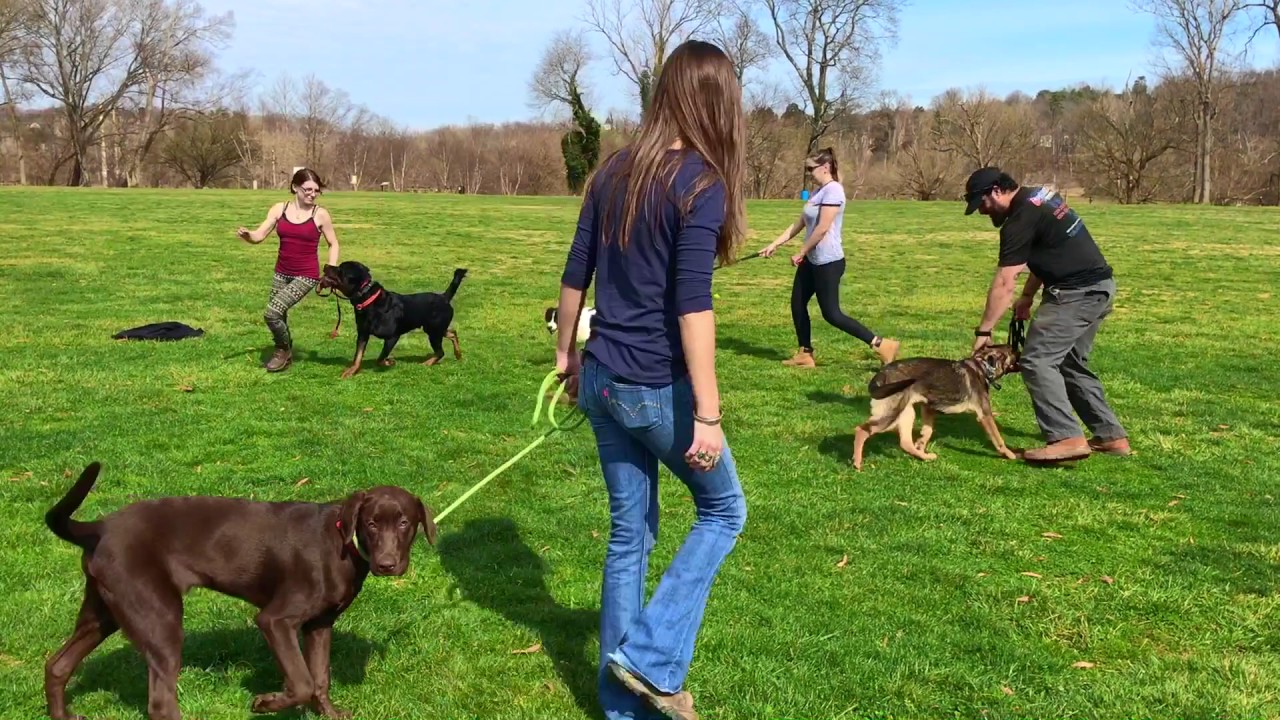
Dog obedience training for everyday life helps dogs develop good manners, respond to commands, and behave more appropriately in familiar and unfamiliar situations. From walking calmly on a leash to greeting visitors without jumping, practical training can make daily routines safer and more manageable. Rather than focusing solely on commands, effective obedience training teaches dogs how to respond to people, surroundings, and everyday distractions.
For dog owners, the goal is to build reliable behaviors that work beyond formal training sessions. Rob’s Dog Training emphasizes the importance of consistent practice, clear communication, and rewards for desirable actions to help dogs understand expectations and develop useful habits over time.
Why Dog Obedience Training for Everyday Life Matters
Obedience training provides a foundation for communication between dogs and their owners. When dogs learn to respond to simple cues, owners have practical ways to guide their behavior during walks, household activities, and social interactions.
Basic commands can also support safety. A reliable recall cue, for example, may help a dog return when called in an appropriate environment. Commands such as stay and leave it can help owners manage certain situations before they become more difficult.
Training can also reduce confusion by establishing consistent expectations. If a dog receives different responses to the same behavior, learning may become more challenging. Clear cues and consistent reinforcement help dogs recognize which behaviors are encouraged.
Importantly, obedience training should not rely on commands alone. Dogs also need opportunities to explore, exercise, rest, and interact with their environment. A balanced approach considers the dog’s individual needs, learning pace, and comfort level.
Essential Obedience Skills for Daily Routines
Certain skills are particularly useful because they apply to situations dogs encounter regularly. Teaching these behaviors gradually helps owners incorporate training into ordinary activities.
1. Teaching Sit and Stay
The sit command can help establish calm behavior before meals, when attaching a leash, or while waiting at a doorway. Begin in a quiet location with minimal distractions. Use a clear verbal cue, reward the dog when the desired behavior occurs, and repeat the exercise in short sessions.
Once the dog understands sit, introduce stay. Start with a brief pause before rewarding the dog, then gradually increase the duration and distance as the behavior becomes more consistent. Avoid expecting a long stay too early, as this may create frustration and reduce the likelihood of success.
2. Building a Reliable Recall
Recall teaches a dog to return when called. This skill can be valuable during outdoor activities, although no recall is guaranteed in every situation.
Start indoors or in a securely enclosed area. Call the dog’s name followed by a consistent recall cue, then reward the dog for returning. As the response improves, practice in new environments with manageable distractions.
A long training line can provide additional control in suitable outdoor settings. Keep the dog away from unsafe areas and avoid testing recall near traffic or other hazards. Rewarding successful returns helps make responding to the cue worthwhile.
3. Improving Leash Walking
Pulling on the leash can make walks uncomfortable and difficult to manage. Loose-leash walking encourages dogs to move alongside their handlers without maintaining constant tension.
Begin in a quiet area where the dog can focus. Reward moments when the leash remains loose and the dog stays near the preferred walking position. If pulling begins, pause or change direction when safe, then resume walking when the dog can respond more calmly.
Progress takes time, especially when dogs encounter exciting smells, people, or other animals. Short practice sessions and appropriate equipment can make learning more manageable.
4. Practicing Leave It and Drop It
Leave it teaches a dog to disengage from an item or situation. Drop it encourages the dog to release something already in its mouth. Both cues can support safer everyday interactions.
Teach these skills using low-value, safe objects before introducing more challenging situations. Reward the dog for turning away from an item or releasing it voluntarily. Avoid chasing the dog or forcibly removing objects whenever possible, as these responses may encourage guarding or avoidance.
If a dog picks up something potentially dangerous, prioritize safety and seek veterinary guidance when necessary.
How to Encourage Good Behavior at Home
Everyday household routines provide useful opportunities to reinforce obedience. Training does not need to happen exclusively during scheduled sessions; short, purposeful exercises can fit naturally into daily activities.
For example, ask for a sit before placing a food bowl on the floor. Reward calm behavior when opening the door, and encourage the dog to settle on a designated mat while people eat or work. These small exercises help dogs practice behaviors in the situations where they are most useful.
Consistency between household members is equally important. Agreeing on cues, boundaries, and rewards reduces conflicting signals. If jumping is discouraged, for instance, everyone should respond consistently rather than sometimes rewarding the behavior with attention.
Owners should also manage the environment while a dog is learning. Baby gates, secure barriers, designated resting areas, and appropriate supervision can prevent unwanted behavior from becoming a repeated habit. Management is not a replacement for training, but it can create better conditions for learning.
Using Positive Reinforcement Effectively
Positive reinforcement involves rewarding a behavior so the dog is more likely to repeat it. Rewards may include small treats, praise, toys, or access to activities the dog enjoys.
Timing matters. Deliver the reward immediately after the desired action whenever possible so the dog can connect the outcome with the behavior. Use a consistent verbal marker, such as “yes,” if helpful, and follow it with the reward.
Consider these practical guidelines:
- Reward specific behaviors: Reinforce the action being taught rather than waiting until the dog has moved on to something else.
- Choose suitable rewards: Use something the dog finds motivating, taking dietary needs into account.
- Increase difficulty gradually: Add distractions, duration, or distance one step at a time.
- Keep sessions manageable: Several short sessions may be more effective than one prolonged exercise.
- Recognize small improvements: Rewarding progress helps build skills without demanding immediate perfection.
Avoid relying on intimidation or physical punishment. These methods can create fear, stress, or defensive responses and may interfere with learning. Calm, structured training offers a more constructive way to teach desired behaviors.
Helping Dogs Behave Around People and Other Dogs
Social situations can be challenging because dogs encounter unfamiliar sounds, movements, people, and animals. Training should prepare dogs to respond appropriately without forcing interactions that make them uncomfortable.
When greeting visitors, teach the dog to remain on the floor or move to a designated spot. Reward calm behavior and use a leash or barrier when needed. Visitors can help by avoiding exciting movements and allowing the dog to approach at a comfortable pace.
During walks, maintain enough distance from other dogs to help prevent overexcitement or fear. Reward the dog for checking in with the handler and remaining calm. Not every dog needs to greet every person or animal, and allowing space can prevent unnecessary conflict.
If a dog barks, lunges, growls, or becomes difficult to redirect, consider the circumstances rather than treating the behavior as simple disobedience. Fear, frustration, discomfort, and other factors may contribute. A qualified, reward-based trainer or veterinary professional can help determine appropriate next steps, especially when behavior creates a safety concern.
Common Obedience Training Mistakes to Avoid
Even well-intentioned owners can make training harder by expecting too much too soon. Recognizing common mistakes can help create a more productive learning environment.
One frequent mistake is introducing distractions before a dog understands the behavior in a quiet setting. A dog that responds reliably at home may struggle in a busy park. Build the skill gradually before expecting the same response elsewhere.
Another mistake is repeating commands several times without giving the dog an opportunity to respond. Instead, use a clear cue, allow time for the dog to process it, and adjust the difficulty if necessary.
Inconsistent rewards can also slow progress. If a behavior is encouraged on one occasion and discouraged on another, the dog may struggle to identify the expected response.
Finally, avoid measuring progress solely by how quickly a dog learns. Age, temperament, previous experiences, health, and the training environment can all influence performance. Patience and realistic expectations help keep practice constructive.
When Professional Dog Training May Help
Some owners benefit from professional guidance when basic training is difficult to maintain or unwanted behaviors persist. A trainer can assess the dog’s current skills, identify possible obstacles, and recommend exercises suited to the household and training goals.
Rob’s Dog Training provides a starting point for owners interested in exploring dog training services. Before selecting a program, consider the behaviors that need improvement, the dog’s experience level, and the type of support available. Ask about training methods, owner participation, and how skills are reinforced outside formal sessions.
For serious aggression, significant fear, sudden behavioral changes, or suspected pain, consult a veterinarian or an appropriately qualified behavior professional. These concerns may require more than routine obedience exercises.
Make Everyday Training a Consistent Habit
Dog obedience training for everyday life is most useful when learned skills translate into real situations. Practicing sit, stay, recall, leash walking, and calm greetings can help dogs navigate household routines and outdoor environments more successfully.
Progress depends on clear communication, positive reinforcement, realistic expectations, and regular practice. By introducing skills gradually and responding consistently, owners can build practical habits that support safer interactions and a stronger relationship with their dogs. For additional guidance on available training options, visit Rob’s Dog Training and explore services that may suit the dog’s individual needs.
