

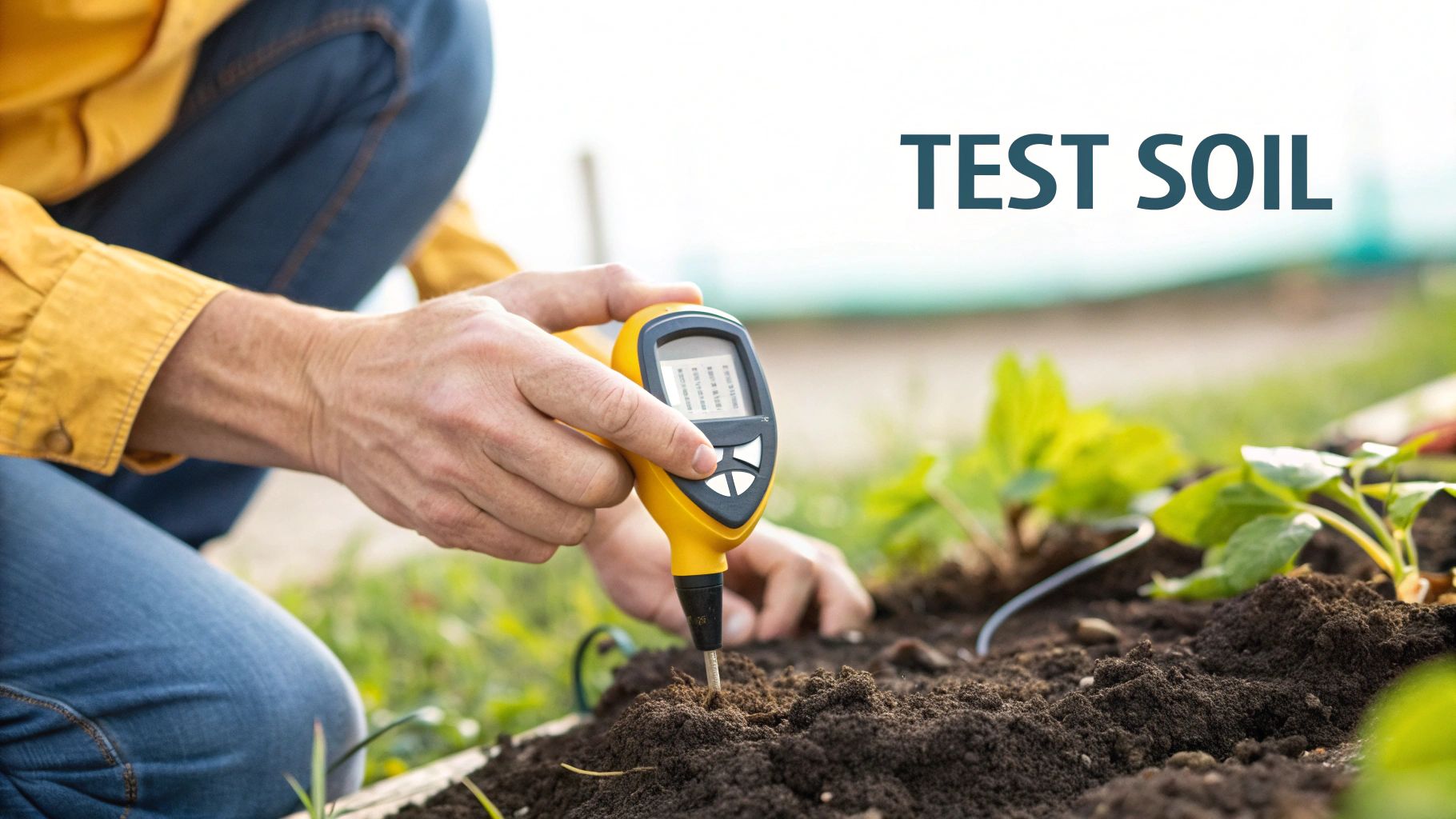
Proper site preparation is crucial for any construction or landscaping project. While it may be tempting to start digging and building immediately, skipping soil tests can lead to costly delays, structural issues, and unforeseen complications. Understanding your soil’s characteristics before breaking ground is not just a precaution—it’s a strategy that saves both time and money.
Understanding the Role of Soil Testing
Soil testing involves analyzing the composition, strength, and drainage capabilities of the ground before construction begins. This process provides detailed insights into soil types, pH levels, moisture content, and potential contamination. By conducting a soil test, contractors and property owners can make informed decisions about the materials and techniques needed for effective site preparation.
Without this step, builders may encounter unexpected problems such as unstable ground, poor drainage, or soil that cannot support intended structures. These issues often lead to expensive remediation, project delays, and even structural failures.
Preventing Costly Mistakes
One of the primary benefits of soil testing is its ability to prevent financial losses. For instance, certain soil types, such as clay or loose sand, may require additional stabilization measures before construction. If these characteristics are unknown, you might invest in foundations, landscaping, or drainage systems that are inadequate for your site.
By knowing the soil’s properties in advance, project managers can plan appropriate site preparation methods, choose suitable construction materials, and avoid over- or under-engineering the project. This proactive approach reduces the likelihood of costly rework and ensures your budget is used efficiently.
Saving Time on the Construction Timeline
Soil issues discovered after construction begins can halt progress for weeks or even months. Excavation, foundation adjustments, or remediation efforts require extra labor, equipment, and materials, extending the project timeline.
Conducting soil tests upfront allows construction teams to anticipate challenges and implement solutions in advance. This foresight keeps site preparation on schedule, allowing projects to move from blueprint to completion more smoothly.
Environmental and Safety Benefits
Soil testing also supports environmentally responsible site preparation. By identifying potential contaminants, builders can mitigate pollution risks and comply with environmental regulations. Additionally, understanding soil stability reduces the likelihood of accidents or structural failures, creating a safer work environment.
Making Informed Decisions for Long-Term Success
Ultimately, investing in soil tests during site preparation is an investment in the longevity and quality of your project. Accurate soil information empowers engineers, architects, and builders to make decisions that align with both structural needs and budget constraints. It ensures that the foundation you build today can support the vision of tomorrow.
Conclusion
Skipping soil testing may seem like a way to save time or money initially, but the long-term costs of unforeseen soil issues far outweigh the small investment in early analysis. By prioritizing soil testing, you streamline site preparation, prevent costly mistakes, protect your budget, and ensure a safer, more successful construction outcome.
Investing in understanding your soil isn’t just good practice—it’s smart construction.
