

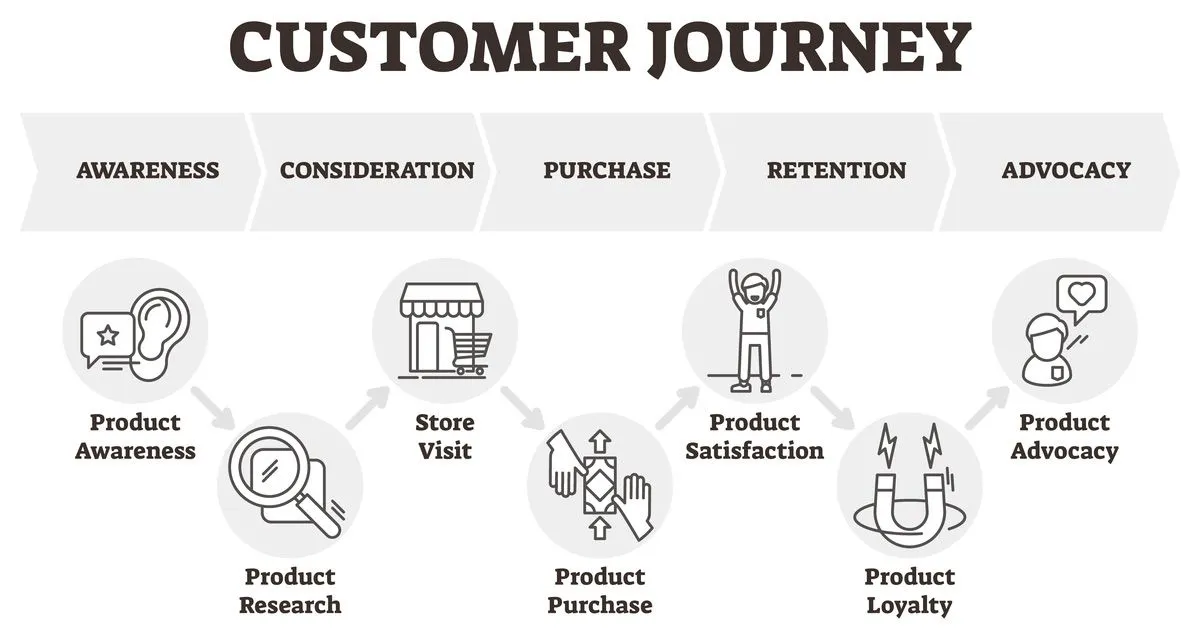
In today’s fast-paced digital marketplace, understanding how customers make purchasing decisions is more complex than ever. The traditional linear sales funnel—where a customer moves predictably from awareness to consideration to purchase—is rapidly becoming obsolete. Instead, modern buyers navigate a web of touchpoints, channels, and interactions before making a decision. To truly grasp this journey, businesses must embrace advanced strategies like multi-touch attribution to map and optimize every step along the way.
The Complexity of Modern Buying Behavior
Customers today are empowered, informed, and highly connected. A single purchase decision may involve:
-
Browsing multiple websites for product comparisons
-
Reading online reviews and testimonials
-
Engaging with social media campaigns
-
Receiving targeted email offers
-
Consulting with friends or online communities
This non-linear path means that a customer might interact with your brand dozens of times before converting. Relying solely on last-click metrics or simplistic models often hides the true value of these interactions, leaving marketing strategies incomplete.
Why Traditional Attribution Falls Short
Traditional attribution models, like last-click or first-click attribution, assign credit to only one point in the customer journey. While these methods are easy to implement, they fail to reflect the reality of multi-channel, multi-device behavior. For instance:
-
A user may first discover your brand through a social ad
-
Later, they might read a blog post for product insights
-
Finally, they purchase after receiving a retargeting email
If you only credit the final click, you ignore the significant influence of earlier interactions. This can lead to misallocated budgets, missed opportunities, and a distorted understanding of ROI.
Multi-Touch Attribution: Capturing the Full Journey
Multi-touch attribution (MTA) addresses these shortcomings by assigning value to every interaction along the customer path. Unlike single-touch models, MTA evaluates the cumulative impact of each touchpoint, helping marketers understand which channels, campaigns, and messages truly drive conversions.
Key benefits include:
-
Holistic Insights: Identify which combinations of touchpoints most influence purchasing decisions.
-
Budget Optimization: Allocate marketing spend to channels and campaigns that provide genuine impact.
-
Improved Customer Experience: Tailor messaging and timing based on actual behavior patterns rather than assumptions.
Mapping the Real Path to Purchase
To leverage multi-touch attribution effectively, businesses need a clear strategy for mapping the customer journey:
-
Collect Comprehensive Data: Track interactions across digital and offline channels, including social media, email, websites, and in-store visits.
-
Segment Your Audience: Different customer groups may follow distinct paths; personalization is key.
-
Analyze Conversion Patterns: Use MTA to understand which sequences of touchpoints lead to higher conversion rates.
-
Continuously Optimize: Customer behavior evolves, so regularly revisit your data and refine strategies accordingly.
By treating the customer journey as a dynamic ecosystem rather than a linear path, brands can make smarter decisions and deliver more relevant experiences.
The Future of Purchase Path Analytics
As technology advances, multi-touch attribution is evolving with AI-driven predictive models, cross-device tracking, and deeper behavioral insights. These innovations allow marketers to anticipate customer needs, proactively influence decisions, and measure impact with unprecedented accuracy.
Brands that embrace these insights gain a competitive edge by understanding not just what customers buy, but why, how, and through which channels. The real path to purchase is rarely straightforward, but with the right tools and mindset, businesses can decode it and turn insights into action.
Understanding your customer’s journey isn’t just about tracking clicks—it’s about connecting the dots. By integrating multi-touch attribution, brands can reveal the true path to purchase, optimize every touchpoint, and create experiences that drive loyalty and growth.
