

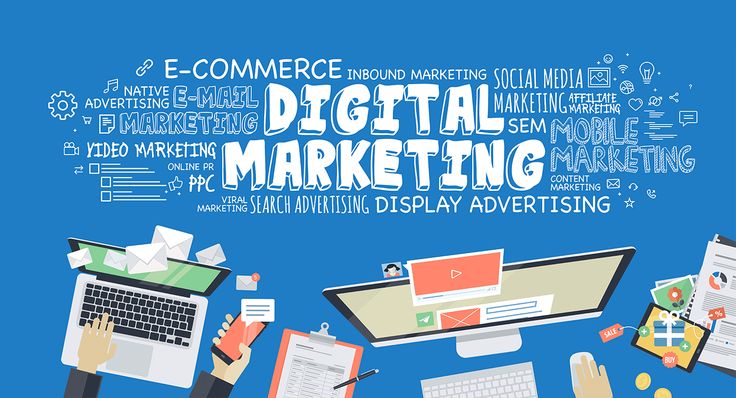
Digital marketing is changing rapidly, and businesses are beginning to realize that success is no longer measured only by follower counts, likes, or impressions. While social media audiences remain important, modern consumers want more meaningful interactions with brands. They seek connection, participation, and a sense of belonging rather than simply consuming content passively.
This shift has given rise to community-led growth, a strategy focused on building engaged digital ecosystems instead of chasing vanity metrics. Brands are now investing in communities that encourage collaboration, discussion, loyalty, and shared value. In today’s competitive online environment, businesses that create strong communities often outperform those that rely only on traditional advertising and audience acquisition tactics.
What Is Community-Led Growth?
Community-led growth is a business and marketing strategy that prioritizes building relationships and engagement among customers, creators, advocates, and audiences. Instead of treating consumers as passive buyers, brands invite them to become active participants in the brand experience.
A community-led ecosystem may include:
- Social media groups
- Online forums
- Private memberships
- Brand ambassador programs
- User-generated content initiatives
- Educational platforms
- Interactive events and webinars
The focus shifts from simply attracting attention to creating long-term emotional connections and collaborative experiences.
Why Followers Alone Are No Longer Enough
For years, digital marketers focused heavily on growing follower counts because large audiences were seen as indicators of success. However, algorithm changes and evolving consumer behavior have reduced the value of passive audiences.
A brand with millions of followers may still struggle with:
- Low engagement rates
- Weak customer loyalty
- Poor conversions
- Limited organic reach
- Minimal brand advocacy
Today, engagement quality matters far more than audience size.
An active community can generate:
- Organic conversations
- Customer referrals
- User-generated content
- Valuable feedback
- Stronger trust
Communities create interaction, while passive audiences simply observe.
The Psychology Behind Community Building
Humans naturally seek belonging and connection. Community-led growth works because it taps into these psychological needs.
Consumers are more likely to support brands that make them feel:
- Included
- Valued
- Heard
- Connected to others
- Part of a larger mission
Strong communities create emotional investment, turning customers into loyal supporters and advocates.
When people feel connected to a community, they are also more likely to engage consistently and promote the brand voluntarily.
User-Generated Content and Community Power
One of the biggest advantages of community-led growth is the rise of user-generated content. Consumers increasingly trust recommendations and experiences shared by real users more than traditional advertisements.
Communities naturally encourage members to create:
- Reviews
- Testimonials
- Tutorials
- Social posts
- Product showcases
- Discussion threads
This type of content strengthens authenticity and expands organic reach.
User-generated content also reduces the pressure on brands to constantly produce all marketing materials internally.
Social Media as a Community Tool
Social media platforms are evolving from broadcasting channels into community-building environments. Brands are increasingly focusing on interaction rather than simple content distribution.
Successful community-driven social strategies include:
- Responding to comments actively
- Hosting live discussions
- Creating interactive polls
- Encouraging audience participation
- Featuring customer stories
- Building niche groups and forums
The goal is to create dialogue instead of one-way communication.
Communities often become self-sustaining ecosystems where members engage with one another even when the brand is not directly involved.
The Role of Trust in Community-Led Marketing
Trust is becoming one of the most valuable assets in digital marketing. Consumers are increasingly skeptical of overly polished advertisements and corporate messaging.
Communities help build trust because they create transparency and human interaction.
Brands that foster genuine communities often benefit from:
- Stronger customer loyalty
- Higher retention rates
- Better word-of-mouth marketing
- Increased brand credibility
- More authentic engagement
Community members frequently become long-term advocates who help drive sustainable growth.
Community-Led SEO and Content Marketing
Community ecosystems also contribute significantly to search engine optimization and content marketing efforts.
Communities naturally generate:
- Fresh discussions
- Long-tail keyword content
- User-generated pages
- Organic backlinks
- Increased website engagement
Search engines increasingly value authentic engagement and helpful content experiences.
Brands often combine community-driven strategies with broader SEO campaigns to improve digital visibility. Many businesses strengthen their authority through platforms like noodle magazines that support content distribution, outreach, and audience expansion.
Communities can also provide valuable insights into customer interests and emerging search trends.
Educational Communities and Brand Authority
Many businesses are creating educational ecosystems around their industries. Instead of only selling products, brands now provide learning experiences that help audiences solve problems and gain knowledge.
Examples include:
- Online courses
- Webinars
- Resource libraries
- Exclusive member groups
- Industry forums
- Live Q&A sessions
Educational communities position brands as trusted authorities while strengthening long-term customer relationships.
People are more likely to remain loyal to brands that consistently provide value beyond direct sales.
The Role of Influencers and Brand Advocates
Influencer marketing is evolving toward deeper partnerships and community integration. Instead of one-time promotions, brands increasingly collaborate with creators who actively engage with communities over time.
Community advocates help brands by:
- Encouraging discussions
- Answering questions
- Sharing experiences
- Creating authentic recommendations
- Expanding organic reach
Micro-influencers and niche creators are particularly effective because they often have highly engaged communities built around trust and shared interests.
SEO Authority and Ecosystem Growth
While community engagement is critical, businesses still need strong search visibility and online authority to grow successfully.
Brands often support community-led growth through:
- Technical SEO optimization
- High-quality content creation
- Digital PR campaigns
- Link-building strategies
- Guest posting opportunities
Some businesses also choose to buy seo backlinks as part of larger SEO efforts aimed at strengthening domain authority and improving search rankings.
However, sustainable growth depends most heavily on authentic engagement and community trust.
Challenges of Community-Led Growth
Although community-driven marketing offers many advantages, it also comes with challenges.
Time and Consistency
Communities require ongoing interaction, moderation, and consistent value creation.
Managing Public Conversations
Open communities can lead to criticism, disagreements, or reputation risks if not managed properly.
Balancing Growth and Authenticity
Rapid expansion can sometimes weaken the close-knit culture that makes communities valuable in the first place.
Measuring ROI
Community-driven success is often long-term and relationship-based, making it harder to measure using traditional marketing metrics.
Despite these challenges, businesses that invest in genuine communities often build stronger and more resilient brands.
The Future of Community-Led Marketing
As consumers continue seeking authenticity and connection, community-led growth will likely become even more important in digital marketing.
Future trends may include:
- AI-powered community management
- Personalized member experiences
- Interactive virtual communities
- Blockchain-based membership systems
- Decentralized creator ecosystems
Brands that focus on relationships rather than pure audience numbers will be better positioned for long-term success.
Conclusion
Community-led growth is reshaping digital marketing by moving businesses beyond passive follower counts and toward meaningful digital ecosystems. Consumers no longer want to simply observe brands — they want to participate, connect, and contribute.
By building communities centered around trust, engagement, education, and shared value, businesses can create stronger customer relationships and sustainable long-term growth. Combined with effective SEO strategies, noodlemagazin collaborations, and selective efforts to buy seo backlinks, community-led ecosystems can become one of the most powerful assets in modern digital marketing.
