

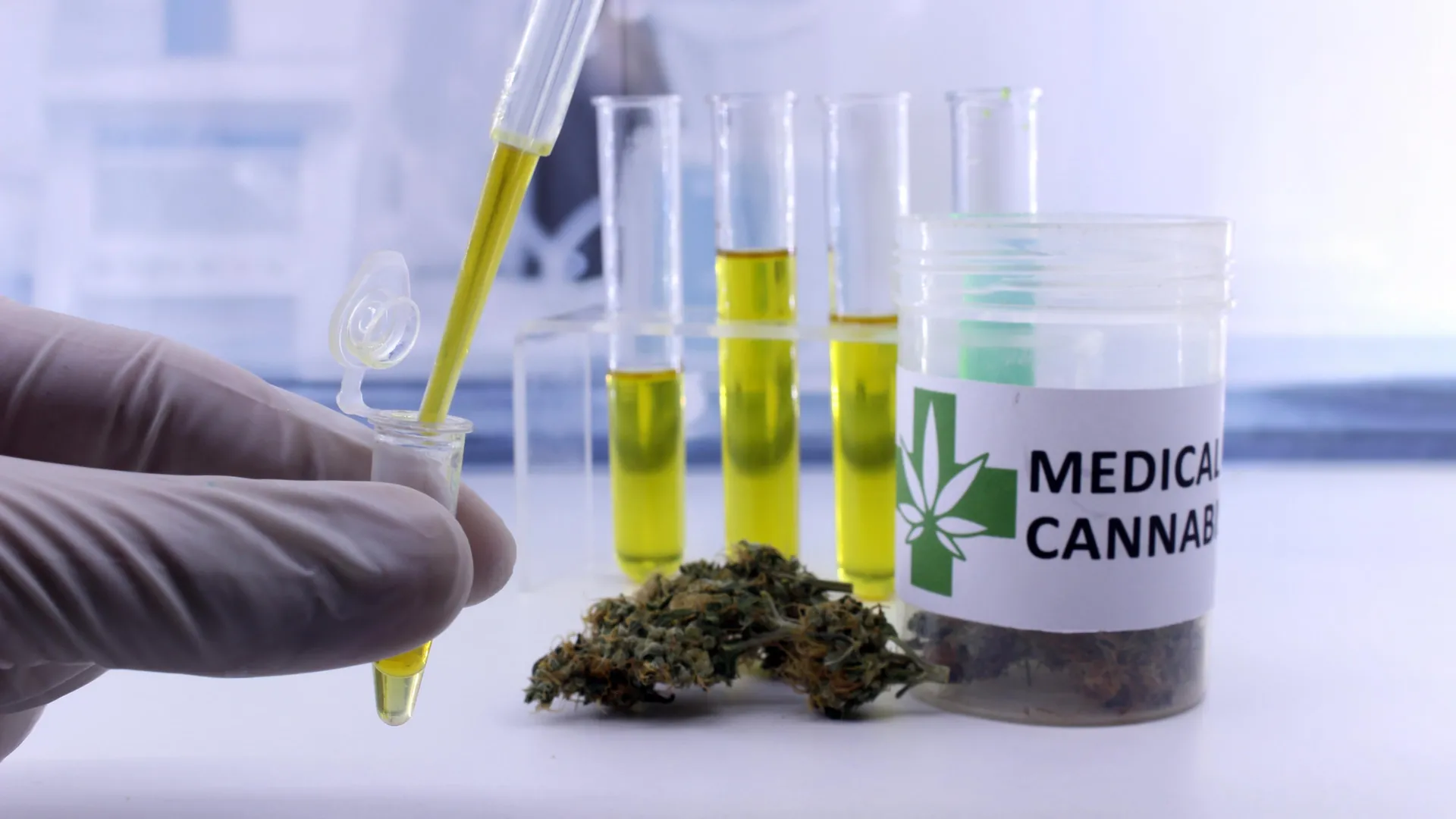
What Is Medical Cannabis?
Medical cannabis refers to the use of the cannabis plant or its chemical compounds—primarily cannabinoids like THC (tetrahydrocannabinol) and CBD (cannabidiol)—to treat symptoms or diseases. These compounds interact with the body’s endocannabinoid system, which helps regulate functions such as pain, mood, appetite, and sleep.
Unlike recreational use, medical cannabis is typically prescribed or recommended by healthcare professionals and used with a specific therapeutic goal in mind.
Potential Benefits of Medical Cannabis
1. Pain Management
One of the most well-known uses of medical cannabis is for chronic pain relief. Patients suffering from conditions like arthritis, fibromyalgia, or nerve pain may experience reduced discomfort due to cannabis’s anti-inflammatory and analgesic properties.
2. Relief from Nausea and Vomiting
Medical cannabis has been particularly effective for patients undergoing chemotherapy. It can help reduce nausea and vomiting, improving quality of life during cancer treatment.
3. Neurological and Mental Health Support
Cannabis has shown potential in managing symptoms of neurological disorders such as epilepsy and multiple sclerosis. Some patients also report benefits for anxiety, PTSD, and insomnia—although results can vary widely.
4. Appetite Stimulation
For individuals dealing with conditions like HIV/AIDS or cancer, cannabis can stimulate appetite and help prevent unhealthy weight loss.
5. Convenience and Accessibility
With the rise of digital platforms, patients can now access products through a pot shop online, making it easier—especially for those with mobility issues—to obtain prescribed cannabis products safely and discreetly.
Risks and Side Effects to Consider
1. Cognitive and Memory Impairment
THC, the psychoactive component of cannabis, can affect memory, attention, and decision-making. Long-term or heavy use may have lasting cognitive effects, particularly in younger users.
2. Dependency and Misuse
Although not as addictive as some substances, cannabis can still lead to dependency in certain individuals. Regular use may result in withdrawal symptoms like irritability, sleep disturbances, and cravings.
3. Mental Health Concerns
In some cases, cannabis use—especially high-THC strains—can worsen anxiety, depression, or trigger psychosis in individuals predisposed to mental health conditions.
4. Respiratory Issues
Smoking cannabis can irritate the lungs and lead to respiratory problems. Alternative methods like oils, edibles, or vaporizers are often recommended for medical users.
5. Drug Interactions
Cannabis can interact with other medications, potentially altering their effectiveness or increasing side effects. This makes medical supervision essential.
Legal and Regulatory Landscape
The legality of medical cannabis varies widely across regions. Some countries and states have well-established programs, while others still prohibit its use. The growth of licensed dispensaries and pot shop online platforms has made access easier where it is legal, but regulations around quality, dosage, and safety can differ.
Responsible Use and Medical Guidance
Medical cannabis should never be self-prescribed. Consulting a qualified healthcare provider ensures that:
- The correct dosage and form are used
- Potential interactions are managed
- The treatment aligns with the patient’s overall health plan
Patients should also be cautious when purchasing from a pot shop online, ensuring the source is licensed and products are tested for quality and safety.
Final Thoughts
Medical cannabis offers real potential for managing a variety of conditions, but it is not a cure-all. Its effectiveness depends on the individual, the condition being treated, and how it’s used. While the convenience of accessing products through a pot shop online has improved availability, it also underscores the importance of informed, responsible use.
Balancing benefits with risks—and relying on medical advice rather than trends—is the key to making cannabis a safe and effective part of modern healthcare.
