

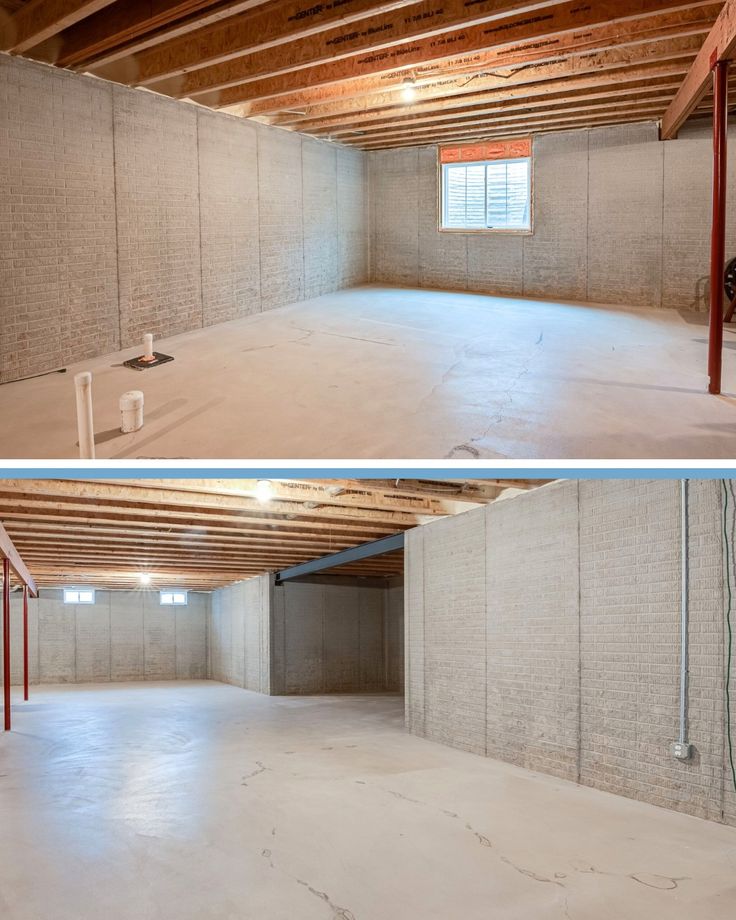
Finishing a basement is an exciting home improvement project that can transform unused space into a valuable part of your home. A properly finished basement can become a comfortable family room, entertainment area, home office, guest suite, or personal retreat.
However, basement renovations also come with unique challenges. Many homeowners make mistakes during planning, construction, or design that can lead to unnecessary expenses, maintenance issues, or disappointing results.
Understanding common finishing your basement mistakes can help you create a space that is attractive, functional, and built to last.
Failing to Check for Moisture Problems
One of the biggest mistakes homeowners make is starting a basement finishing project without addressing moisture issues first.
Basements are naturally more exposed to:
- Water leaks.
- Humidity.
- Condensation.
- Mold growth.
Installing drywall, flooring, or insulation over a damp basement can create serious problems later.
Before beginning construction, inspect the basement for signs of moisture, including:
- Water stains.
- Musty odors.
- Cracks in walls.
- Damp floors.
- Mold growth.
Solutions may include:
- Waterproofing systems.
- Improved drainage.
- Foundation repairs.
- Dehumidifiers.
A dry foundation is the first step toward a successful basement renovation.
Ignoring Proper Insulation
Basements often feel colder than the rest of the home because they are below ground level.
Poor insulation can result in:
- Uncomfortable temperatures.
- Higher energy costs.
- Noise problems.
- Condensation issues.
Quality insulation helps regulate temperature and creates a more comfortable living environment.
When finishing a basement, consider insulating:
- Exterior walls.
- Pipes.
- Floors where necessary.
- Areas around windows.
Proper insulation improves both comfort and energy efficiency.
Choosing the Wrong Flooring Materials
Basement flooring requires more consideration than flooring used in other areas of the home.
Some materials may not perform well in basement conditions.
Common flooring mistakes include:
- Installing moisture-sensitive materials.
- Ignoring temperature changes.
- Choosing materials without considering basement use.
Popular basement-friendly flooring options include:
Luxury Vinyl Flooring
Luxury vinyl is a popular choice because it offers durability, water resistance, and easy maintenance.
Tile Flooring
Tile provides excellent moisture resistance and works well in bathrooms or utility areas.
Carpet
Carpet adds warmth and comfort but should only be installed in dry basements.
Engineered Flooring
Engineered materials can provide a premium appearance while handling basement conditions better than traditional hardwood.
Poor Lighting Planning
Many basements have limited natural light, making lighting design extremely important.
A common mistake is installing only one central light fixture and expecting it to brighten the entire area.
Better lighting designs include multiple layers:
- Ceiling lights.
- Wall fixtures.
- Decorative lamps.
- Task lighting.
Using lighter wall colors and reflective surfaces can also help make the basement feel brighter and more spacious.
Creating an Unrealistic Layout
A basement layout should match how the space will actually be used.
Some homeowners overcrowd the area by adding too many rooms or unnecessary features.
Before building walls, consider:
- Traffic flow.
- Furniture placement.
- Storage needs.
- Future use.
An open and flexible layout often provides more long-term value than a cramped design.
Forgetting About Ceiling Height
Many basements have lower ceilings than other areas of the home.
Ignoring ceiling height can make the finished space feel uncomfortable.
Design strategies for low ceilings include:
- Using recessed lighting.
- Choosing lighter colors.
- Avoiding oversized furniture.
- Creating clean ceiling designs.
In some cases, removing unnecessary bulkheads or adjusting mechanical layouts can improve the feeling of space.
Neglecting Storage Solutions
A finished basement should still provide practical storage.
Many homeowners focus only on living space and forget that basements are valuable storage areas.
Smart storage ideas include:
- Built-in cabinets.
- Shelving systems.
- Under-stair storage.
- Hidden compartments.
Good storage keeps the basement organized without affecting the overall design.
Skipping Proper Electrical Planning
Electrical needs often increase after finishing a basement.
A common mistake is not installing enough outlets or planning for future technology.
Consider your needs for:
- Entertainment systems.
- Computers.
- Lighting.
- Appliances.
- Exercise equipment.
Working with proper electrical planning prevents expensive upgrades later.
Overlooking Bathroom and Plumbing Considerations
Adding a bathroom or wet bar can improve basement functionality, but plumbing requires careful planning.
Common mistakes include:
- Ignoring existing plumbing limitations.
- Choosing poor layouts.
- Underestimating installation complexity.
Professional planning can help ensure that plumbing systems work efficiently and meet building requirements.
Choosing Style Over Function
A beautiful basement is appealing, but it must also be practical.
Some homeowners choose design features that look impressive but are difficult to maintain.
A successful basement should balance:
- Appearance.
- Comfort.
- Durability.
- Everyday usability.
The best design is one that works for your lifestyle.
Trying to Complete Everything at Once
Another common mistake is attempting a complete luxury renovation without proper planning.
Basement finishing can be completed in stages.
For example:
First phase:
- Waterproofing.
- Insulation.
- Walls.
- Flooring.
Later phases:
- Entertainment systems.
- Custom furniture.
- Decorative upgrades.
A phased approach allows homeowners to manage costs while still achieving their long-term vision.
Hiring Without Research
Choosing the right contractor is important for basement finishing success.
Before hiring, consider:
- Experience with basement projects.
- Previous work examples.
- Customer reviews.
- Licensing and qualifications.
A skilled professional can help avoid costly mistakes and ensure quality results.
Final Thoughts
Basement finishing can dramatically improve your home, but careful planning is essential. Avoiding common mistakes such as ignoring moisture problems, choosing unsuitable materials, and failing to plan the layout properly can save time, money, and frustration.
A successful basement renovation combines smart design, quality materials, and practical planning. By focusing on comfort, functionality, and long-term durability, homeowners can transform their unfinished basement into a beautiful and valuable living space.
With the right approach, your basement can become much more than a storage area—it can become one of the most enjoyable and useful parts of your home.
