

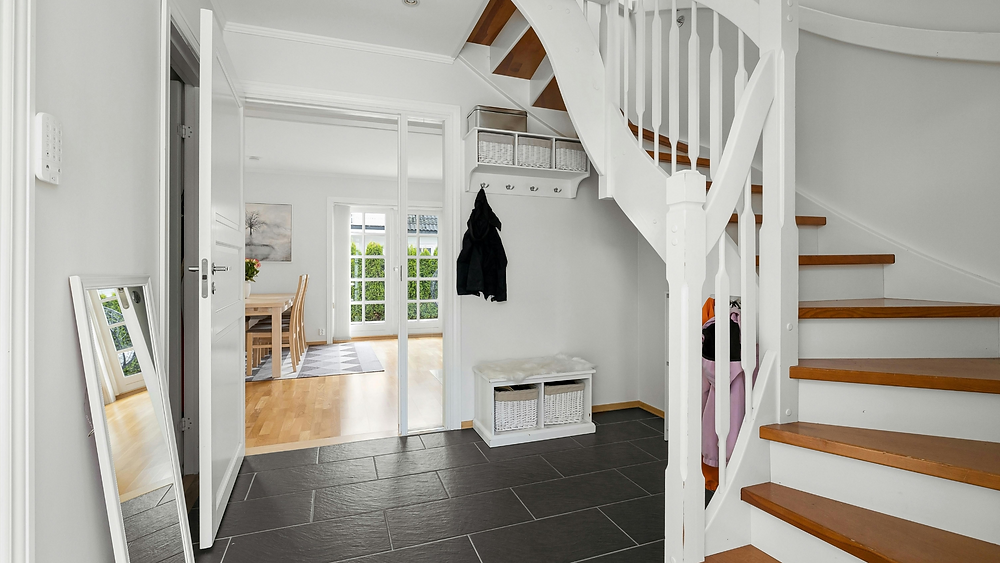
In the contemporary architectural landscape, few materials have achieved the ubiquitous “gold standard” status currently held by White Oak. For interior designers, custom homebuilders, and flooring retailers, this species has become the primary choice for creating a cohesive, high-end aesthetic that flows seamlessly from room to room. When specifying white oak stair treads, professionals are looking for more than just a surface; they are selecting a material renowned for its structural stability, neutral grain patterns, and exceptional receptivity to modern reactive stains and finishes. Whether the project calls for a Scandinavian-inspired “raw” look or a classic wire-brushed texture, White Oak provides the versatility required to meet the demands of 2026’s most influential design trends.
The Biological Advantage: Why White Oak Outperforms Red Oak
While Red Oak has historically been a staple in American homes, the industry has seen a massive shift toward White Oak in the luxury residential market. Understanding the technical reasons for this shift is essential for contractors and architects:
- Tannin Content and Color Profile: White Oak possesses a higher tannin content and a more olive-toned undertone compared to the pink/red hues of Red Oak. This neutral base makes it far easier for installers to achieve “True Gray” or “Natural” finishes without the red grain bleeding through.
- Cellular Structure (Tyloses): White Oak features closed cellular pores (filled with tyloses), making it naturally more resistant to rot and moisture than its open-pored counterparts. In high-traffic areas where spills or wet footwear are common, this added durability is a significant asset.
- Grain Density: The longer rays and more frequent grain lines in White Oak offer a “cleaner” linear look that complements the minimalist, wide-plank flooring styles currently dominating the market.
Precision Engineering for Installation Efficiency
For the remodeling contractor or stair installer, the challenge of a staircase is often found in the precision of the fit. Transitioning from a horizontal floor to a vertical ascent requires components that are milled to exacting tolerances to avoid gapping and structural squeaks.
1. Prefinished vs. Unfinished Treads
The rise of prefinished White Oak components has revolutionized the installation timeline. By utilizing treads finished in a controlled factory environment, contractors can offer clients a durable, aluminum-oxide-coated surface that is ready for immediate use. This eliminates the “dust and fumes” phase of on-site staining, which is often the biggest pain point for homeowners during a remodel.
2. Matching Modern Flooring
Most high-end flooring manufacturers now focus heavily on White Oak collections. By sourcing treads from a specialized trade supplier, flooring dealers can ensure that the staircase is an exact match in species and grade to the main floor. This level of continuity is what distinguishes a “custom” home from a standard build.
Structural Configurations for Every Project
Depending on the architectural style of the home, the configuration of the tread can vary significantly:
- Solid Treads: Typically 1-1/16″ thick, these are designed for traditional installations where strength and the ability to sand and refinish over decades are required.
- Thick/Floating Treads: For modern “mono-stringer” or floating staircases, White Oak can be engineered into 3″ to 4″ thick slabs that provide the necessary cantilever strength while maintaining a stunning, sculptural look.
- Retrofit Treads: These are a savior for remodeling projects. Designed with a thinner body and a full-thickness bullnose, they allow installers to cap existing structural stairs with beautiful White Oak without altering the overall “rise” of the steps significantly.
Maintenance and Long-Term Value
White Oak is a “hard” hardwood, sitting at approximately 1360 on the Janka hardness scale. This makes it incredibly resilient to the mechanical wear of daily life. For architects and interior designers, recommending White Oak is a move toward sustainable value; it is a material that ages gracefully and maintains its structural integrity even in high-traffic commercial or residential zones.
+1
- Stain Versatility: From “Ceruse” finishes that highlight the grain with white wax to deep, ebony stains, White Oak remains the most versatile canvas in the flooring industry.
- UV Stability: Compared to exotic species, White Oak shows high resistance to UV-induced color shifting, ensuring the staircase looks as intended for years to come.
Sourcing Quality for the Trade
Success in the flooring and remodeling trade depends on the reliability of your supply chain. When the staircase is the centerpiece of the home, there is no room for warped boards or inconsistent milling. Achieving a flawless transition from floor to flight requires a partner who understands the nuances of wood grading and the specific needs of the installer. By sourcing your premium components from Wood Stair Co, you gain access to a professional-grade inventory that supports the highest standards of craftsmanship. Whether you are a flooring dealer looking to expand your accessory offerings or a custom builder aiming for a furniture-grade finish, starting with the right materials is the only way to ensure an impeccable result.
