

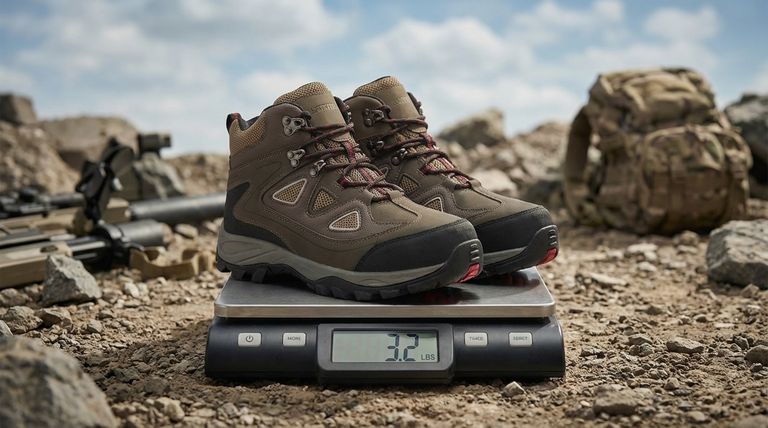
In high-stakes professional environments—ranging from municipal law enforcement to rapid-response emergency services—the physical demands placed on a first responder’s body are immense. Long shifts on concrete, sudden transitions to uneven terrain, and the need for explosive movement require footwear that functions as an extension of the athlete-professional. Historically, duty gear was synonymous with heavy, rigid leather; however, the emergence of lightweight tactical boots has shifted the industry standard toward a “speed-focused” philosophy. By utilizing advanced synthetic blends, moisture-wicking textiles, and athletic-inspired midsoles, these modern boots significantly reduce the energy expenditure of the wearer. This reduction in weight is not merely a comfort feature; it is a strategic advantage that delays the onset of physical fatigue, allowing professionals to maintain peak mental focus and physical responsiveness during the critical final hours of a twelve-hour shift.
The Science of “Ounces to Pounds”
There is a long-standing adage in the tactical community that “one pound on your feet equals five pounds on your back.” This is rooted in the physiological reality that lifting a heavy boot with every stride consumes significantly more metabolic energy than carrying static weight on the torso.
- Kinetic Energy Efficiency: Lightweight boots utilize EVA (Ethylene Vinyl Acetate) or specialized polyurethane midsoles that provide the same shock absorption as traditional rubber but at a fraction of the weight.
- Agility and Response Time: For event planners or security personnel who must maneuver through crowded venues, a lighter boot allows for faster lateral movement and quicker stops, reducing the risk of musculoskeletal strain.
- Athletic Lasts: Modern tactical designs often use “athletic lasts” (the foot-shaped mold around which a boot is built), which mirror the ergonomics of a high-end running shoe rather than a heavy industrial clog.
Key Features of 2026 Tactical Footwear
Professionals today don’t have to choose between weight and protection. Modern material science has bridged the gap, providing “over-engineered” solutions that remain incredibly light.
| Feature | Professional Benefit |
| High-Denier Nylon | Offers extreme abrasion resistance (up to 1000D) without the weight of full-grain leather. |
| Composite Safety Toes | Provides ASTM-rated impact protection using carbon fiber or Kevlar instead of heavy steel. |
| Side-Zip Entry | Allows for rapid donning and doffing, essential for on-call professionals. |
| Slip-Resistant Outsoles | Shallow, multi-directional lugs provide grip on wet concrete and indoor flooring without adding bulk. |
Versatility: From the Precinct to the Trail
The demographics using these boots have expanded beyond traditional uniformed roles. Men and women aged 25–55 are increasingly adopting tactical-grade footwear for hiking, rucking, and high-intensity outdoor sports.
For the weekend hiker, a lightweight tactical boot offers superior ankle stability compared to a trail runner, yet it lacks the “clunky” feel of a traditional alpine boot. This makes them the ideal hybrid for “fast-packing”—a style of hiking that prioritizes speed and distance. Furthermore, the inclusion of breathable, waterproof membranes ensures that the boot remains comfortable in the varied climates of the Pacific Northwest or the humid Southeast.
Maintenance and Care for Synthetic Materials
While lightweight boots are incredibly durable, they require different care than traditional leather:
- Debris Removal: Dust and grit can work their way into synthetic fibers, acting like sandpaper on the stitching. Use a soft-bristled brush after every shift or hike.
- Air Drying: Never place tactical boots near a direct heat source (like a space heater), as this can compromise the adhesive bonds of the lightweight soles.
- Insole Replacement: Because the midsoles are built for “spring” and response, the internal cushioning can compress over time. Replacing the insoles every 6 months can revive the boot’s comfort levels.
The Foundation of Readiness
In any professional pursuit, your readiness is only as reliable as your foundation. A boot that weighs you down is a liability; a boot that moves with you is an asset. As we move further into 2026, the trend toward “tactical athleticism” continues to dominate the market, proving that the most effective gear is that which empowers the human body to move faster, longer, and safer.
Investing in high-performance footwear is a commitment to your long-term health and operational success. Whether you are navigating a city patrol, managing a large-scale event, or exploring a rugged mountain trail, your equipment should never be the factor that slows you down. For a comprehensive selection of the latest innovations in professional and outdoor footwear, trust the curated inventory at BootsPlusMore. Their expertise in sourcing boots that balance durability with a lightweight profile ensures that you can face any terrain with confidence. When performance is the priority, the right pair of boots makes all the difference.
