

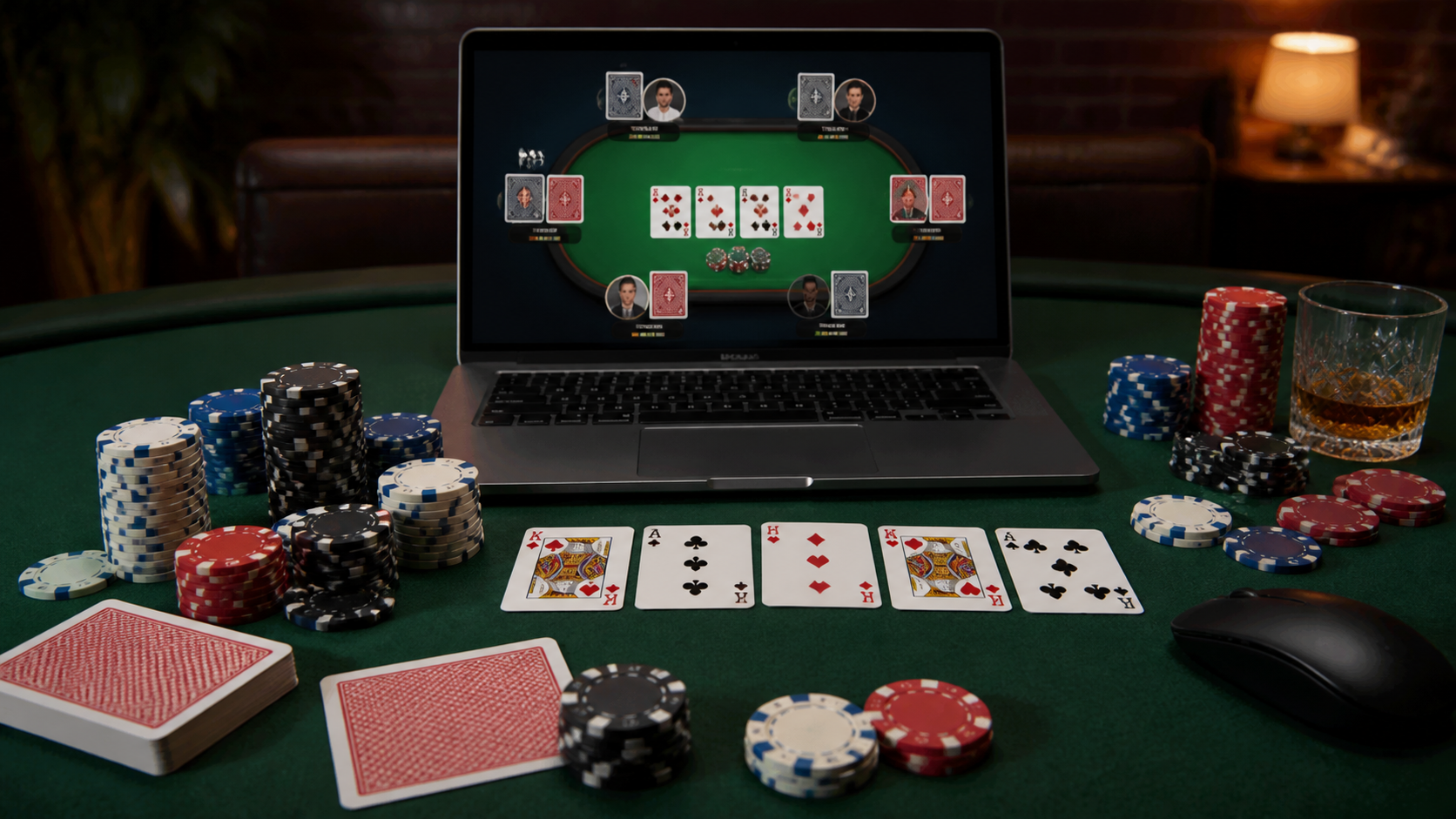
Online poker has become one of the most approachable card games for players who want strategy, pace, and flexibility in one place. It combines the familiar structure of poker with the convenience of digital tables, allowing people to learn, practice, and play without needing a physical casino environment. For many players, that accessibility is the main appeal, but it also changes how they should think about preparation, table selection, and decision-making.
Unlike casual games where luck may dominate the experience, poker rewards patience and discipline over time. That does not mean every hand is predictable or every session is controlled, but it does mean thoughtful habits matter. A player who understands position, betting patterns, and bankroll limits will usually approach the game more calmly than someone who focuses only on short-term results. This is where a practical guide can make a real difference.
What Makes Online Poker Different from Live Play
Online poker follows the same core rules as live poker, but the environment changes the experience in several important ways. The pace is faster, the number of hands is usually higher, and there are fewer physical cues to read. That can be freeing for some players and challenging for others. Instead of watching body language, players rely more heavily on betting patterns, timing, and table dynamics.
Another noticeable difference is the range of formats available. Online rooms often offer cash games, tournaments, sit-and-go events, and short-handed tables. Each format demands a slightly different mindset. A player who enjoys longer, methodical sessions may prefer cash games, while someone who likes a structured end point may lean toward tournaments.
Because the digital setting moves quickly, it is easy to make decisions automatically. That is why players often benefit from slowing down mentally even when the table itself is moving fast. Good online poker play is rarely about rushing to act. It is more often about choosing spots carefully and avoiding unnecessary mistakes.
Core Skills That Matter at the Table
Strong poker habits do not depend on memorizing every possible scenario. They depend on a few reliable fundamentals that support consistent judgment. Learning those basics gives players a better chance of making informed decisions hand after hand.
Position and Table Awareness
Position is one of the most useful concepts in poker because it shapes how much information a player has before acting. Acting later in a hand often provides more context, since more opponents have already made decisions. That extra information can help a player avoid weak spots and choose better bluffs or value bets.
Table awareness also matters. A player should notice whether the table is loose, tight, passive, or aggressive. These patterns affect the value of different starting hands and how much pressure may work in a given spot. The same hand can play very differently depending on the table environment.
Bet Sizing and Patience
Bet sizing is more than choosing a random amount. It sends a message, builds pots, or protects a hand depending on the situation. Small bets may keep action manageable, while larger bets can apply pressure or extract value from weaker holdings. The key is consistency and intention rather than habit.
Patience is equally important. Many players lose focus when they wait too long for a playable hand and begin entering pots too often. A disciplined player knows that folding is part of the game. In the long run, avoiding marginal spots can be just as valuable as winning a few extra pots.
Choosing Where and How to Play Responsibly
Not every platform or table is equally suitable for every player. Before sitting down, it helps to think about the type of experience you want. Some players prefer softer competition and slower games, while others want more challenge and a faster pace. Your choice should match your comfort level and your goals.
If you are exploring เล่นโป๊กเกอร์ออนไลน์ , it is worth paying attention to game structure, interface clarity, and the overall flow of play. A clean layout can reduce mistakes, and a sensible table selection process can make the experience more manageable. The goal is not just to find a game quickly, but to find one that suits the way you think and play.
- Look for clear rules and easy-to-follow table information.
- Choose a game format that matches your skill level and schedule.
- Pay attention to how often you can pause, review, or step away.
- Set limits before play so decisions stay grounded.
- Favor environments where you can focus without distraction.
Responsible play is especially important in poker because the game naturally invites adjustment and recovery thinking. It can be tempting to chase losses after a difficult session or to play longer after a win. A better habit is to decide in advance how much time and money you want to spend, then respect that boundary even when the table is going your way.
Common Mistakes That Undermine Results
Many players assume they are making too few big moves when the real issue is often poor decision quality. A few recurring mistakes can quietly damage results and create unnecessary frustration. Recognizing them early can save time and reduce avoidable losses.
Playing Too Many Hands
One of the most common leaks is entering too many pots. Beginners often overvalue connected cards, suited cards, or hands that simply look exciting. While these hands can be useful in the right spots, they are not automatically strong. Playing too wide makes it harder to stay profitable and increases the chance of awkward post-flop decisions.
Selectivity matters because it improves the overall quality of the situations you enter. Stronger hand selection is not about being overly cautious; it is about giving yourself better starting conditions. The fewer weak spots you create, the easier it becomes to think clearly later in the hand.
Ignoring Opponent Patterns
Another mistake is treating every opponent the same. Some players bet aggressively with strong hands, while others use pressure more freely. Some defend too often, and others fold too quickly. If you ignore those patterns, you miss opportunities to adapt.
Observation does not require complex analysis. Even simple notes such as who raises frequently, who calls too much, or who gives up under pressure can shape better decisions. Poker is not only about the cards you hold; it is also about the patterns you can identify over time.
Building a Better Long-Term Approach
Players who improve steadily usually share one trait: they treat poker as a skill game that rewards reflection. That does not mean every session needs intense analysis, but it does mean that casual habits should be reviewed from time to time. Small adjustments can add up, especially when repeated over many hands and many sessions.
One useful habit is reviewing hands after play. Ask yourself whether you entered too many marginal spots, whether a bluff made sense, or whether a value bet could have been sized differently. These questions are more productive than focusing only on results. A well-played hand can lose and a poorly played hand can win, so the process deserves attention.
It also helps to think in terms of decisions rather than outcomes. When players judge themselves only by short-term wins and losses, they often become emotional or inconsistent. A decision-based mindset creates more stability. It allows you to learn from the parts of the game you can control and remain more balanced during swings.
For many players, the most valuable improvement is not a flashy tactic but a calmer approach. Better concentration, steadier bankroll management, and more selective table choices often do more for results than dramatic plays. In that sense, online poker rewards discipline as much as creativity.
Conclusion: A Smarter Way to Approach Online Poker
Online poker is most enjoyable when it is approached with structure and patience. The faster pace and wider choice of formats can be appealing, but they also make discipline more important. Players who understand position, bet sizing, table selection, and emotional control are generally better prepared to handle both good and difficult sessions.
Whether you are learning the basics or refining existing habits, the best long-term results usually come from careful decision-making rather than impulse. Keep your focus on process, stay realistic about variance, and choose games that match your comfort level. That approach makes the experience more thoughtful, more manageable, and ultimately more rewarding.
