

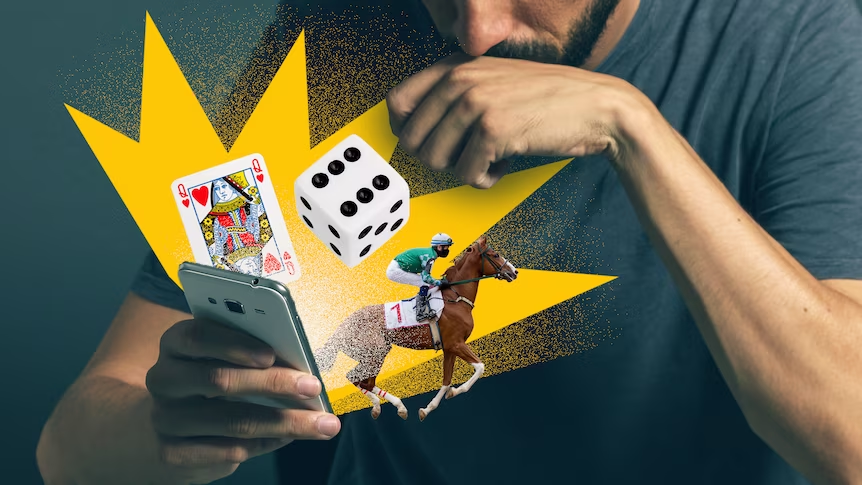
Betting is often presented as entertainment—something casual, social, and tied to major sporting events. For many people it stays that way. But for some, what begins as occasional wagering can gradually shift into a harmful pattern of behavior known as betting addiction. This condition does not appear overnight; it develops slowly, often going unnoticed until significant damage has already occurred in personal, financial, and emotional life.
Understanding how it develops and what to look for is essential, especially as global sporting events continue to attract large audiences and betting activity.
What Is Betting Addiction?
Betting addiction, also known as compulsive gambling, is a behavioral condition where a person loses control over their urge to gamble, even when it leads to negative consequences. It is not about how often someone bets, but about the inability to stop despite harm.
Over time, the brain begins to associate betting with reward and emotional relief, which reinforces the cycle. Wins feel exciting, and losses often lead to chasing behavior—trying to recover money quickly through more bets.
Why Betting Becomes Addictive
Several psychological and environmental factors contribute to betting addiction:
- Dopamine response: Winning triggers a chemical reward in the brain, creating a feeling of pleasure and excitement.
- Near-miss effect: Almost winning can feel as motivating as winning, encouraging continued play.
- Easy access: Online platforms make betting available 24/7.
- Emotional escape: Some people use betting to cope with stress, boredom, or personal difficulties.
- Illusion of control: Believing that knowledge of sports or “strategy” guarantees success.
These factors combine to create a cycle that can be difficult to break without awareness and intervention.
Warning Signs of Betting Addiction
Recognizing the early signs is crucial. Betting addiction often shows up in subtle but escalating patterns:
Emotional Signs
- Feeling anxious or irritable when not betting
- Becoming overly excited or obsessed with upcoming games
- Using betting as a way to escape stress or sadness
Behavioral Signs
- Betting more frequently or with larger amounts over time
- Trying to win back losses through additional betting (chasing losses)
- Hiding betting activity from friends or family
- Neglecting work, studies, or responsibilities
Financial Signs
- Borrowing money to continue betting
- Struggling to pay bills due to losses
- Selling personal belongings to fund bets
- Repeated financial crises linked to gambling behavior
When these signs begin to overlap, the risk of addiction becomes significantly higher.
Impact on Daily Life
Betting addiction can affect nearly every part of a person’s life. Relationships may become strained due to secrecy or financial stress. Work performance can decline due to distraction or emotional exhaustion. Mental health may also suffer, leading to anxiety, depression, or feelings of guilt and hopelessness.
Over time, the focus of life can shift from enjoyment of the activity to constant preoccupation with betting outcomes.
Betting on the 2026 World Cup
Major sporting events often intensify betting behavior, and แทงบอลโลก 2026 is expected to attract global attention. The excitement, national pride, and constant media coverage can make betting feel more engaging and emotionally charged than usual.
However, this is also when risks increase. Large tournaments create more opportunities for impulsive decisions, emotional betting after wins or losses, and increased spending driven by hype rather than strategy. The fast-paced nature of tournament betting can make it easier to lose track of time and money.
For individuals already vulnerable, such high-profile events can act as triggers that accelerate problematic behavior.
Recognizing When It’s Becoming a Problem
A key question to ask is not “Am I winning or losing?” but rather:
- Can I stop if I want to?
- Do I feel stressed or uneasy when I am not betting?
- Is betting affecting my relationships or responsibilities?
If the answer to these questions raises concern, it may indicate that betting is no longer just entertainment.
Moving Toward Control and Support
Addressing betting addiction starts with awareness. Reducing access to betting platforms, setting strict personal limits, and seeking support from trusted individuals can help interrupt harmful patterns.
Professional counseling or support groups can also provide structured ways to regain control and rebuild healthier habits. The earlier the issue is acknowledged, the easier it is to manage.
Conclusion
Betting can remain a form of entertainment for many, but it carries real risks when control is lost. Understanding the warning signs—emotional, behavioral, and financial—can make a critical difference in preventing long-term harm.
As global events like Betting on the 2026 World Cup draw attention and excitement, staying aware of personal limits becomes even more important. Recognizing the shift from enjoyment to compulsion is the first step toward maintaining balance and protecting well-being.
