

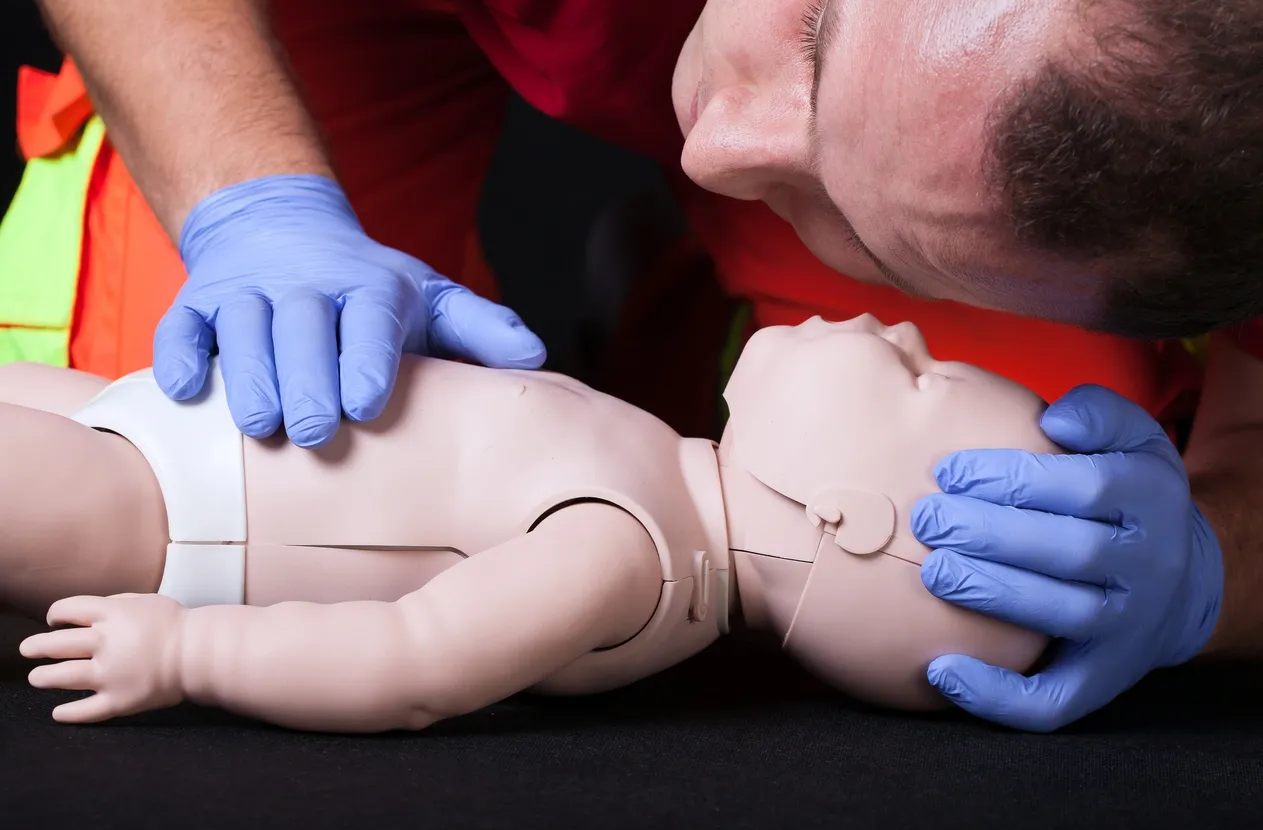
In today’s hyper-competitive employment landscape, candidates are constantly searching for distinct ways to elevate their professional profiles. Beyond standard university degrees and technical proficiencies, hiring managers are increasingly prioritizing “soft skills” and verifiable indicators of responsibility. One of the most impactful, yet frequently underutilized, additions a candidate can make is listing a cpr certification on resume. Whether you are actively transitioning into a new industry, entering the workforce for the first time, or seeking upward mobility within your current organization, showcasing this life-saving credential communicates a profound level of preparedness and civic duty that resonates deeply across almost every professional sector.
Expanding Beyond the Healthcare Sector
Historically, emergency response training was viewed as a strict prerequisite solely for healthcare professionals, first responders, and lifeguards. However, the modern definition of workplace safety has expanded significantly. Today, corporate human resources departments, educational institutions, and fitness centers all recognize the inherent value of having trained personnel on-site.
- For Childcare and Education: It is an absolute non-negotiable standard required by provincial and state regulations.
- For Fitness and Wellness Professionals: It acts as a crucial liability safeguard and a marker of premium client care.
- For Corporate Environments: An employee equipped to handle a sudden cardiac event or a choking incident is viewed as an invaluable, irreplaceable asset to the company’s internal safety culture.
The Psychology of the Hiring Manager
From the perspective of a hiring manager, evaluating an application extends far beyond analyzing daily task competencies. When an employer reviews a portfolio, they are actively assessing character, maturity, and leadership potential. An applicant who voluntarily pursues emergency preparedness training demonstrates proactive problem-solving, deep empathy, and the proven ability to remain calm under extreme pressure. These are precisely the traits required for advanced management and supervisory roles. It signals to a prospective employer that the individual is not merely focused on their own professional advancement, but is also committed to the well-being of their colleagues and the broader community. Furthermore, it provides immense psychological comfort to HR departments concerned with internal safety audits and workplace liability.
Strategic Formatting and Presentation
Of course, the strategic advantage of this credential relies heavily on proper presentation. Simply stating “knows first aid” in a general skills section is insufficient and often overlooked by Applicant Tracking Systems (ATS). To maximize its impact, candidates must ensure the certification is listed accurately and professionally. This involves creating a dedicated “Certifications” or “Professional Development” section on the document. It is critical to include the full, formal name of the course—such as Basic Life Support (BLS) or Adult and Pediatric First Aid/CPR/AED—the name of the accrediting organization, and the explicit expiration date. This level of granular detail assures the employer that the training is both rigorous and currently valid, removing any ambiguity during the background check process.
Overcoming Barriers with Digital Accessibility
In previous years, a significant barrier for job seekers looking to add this qualification was the logistical difficulty of attending a full-day, in-person training seminar. Between managing current employment, family obligations, and the exhaustive job hunt itself, finding a spare weekend was often impossible. Fortunately, the evolution of digital education has entirely revolutionized this process. High-quality, interactive online modules now allow candidates to master the cognitive components of emergency response—such as understanding the correct compression-to-ventilation ratios, deploying an Automated External Defibrillator (AED), or recognizing the signs of an impending stroke—from the comfort of their own homes. This micro-learning approach not only fits seamlessly into any busy schedule but also promotes superior long-term knowledge retention.
A Versatile and Future-Proof Asset
The versatility of this training is another major selling point for modern applicants. A single, comprehensive course can cover adult, child, and infant protocols, making the candidate highly adaptable to various environments. For someone applying to a hybrid role that involves both office management and corporate event coordination, or a yoga instructor who also runs youth sports camps, this multi-tiered preparedness is a major unique selling proposition. It dramatically reduces the onboarding burden for the employer, who would otherwise need to spend valuable time and corporate resources bringing the new hire up to strict compliance standards.
Ultimately, your professional portfolio should be a holistic reflection of your capabilities, your core values, and your readiness to contribute to a secure, thriving work environment. As workplace safety regulations become more stringent and the corporate focus on employee well-being intensifies, possessing formal emergency training will transition from a “nice-to-have” bonus to a fundamental professional expectation. By taking the initiative to get certified now, you are investing in your long-term career trajectory while simultaneously equipping yourself to save a life. When you are ready to gain this competitive edge, partnering with an established, globally recognized training provider like Simple CPR ensures you receive the highest standard of accessible, evidence-based education available today.
